
Mallorcan photographer José Hevia has spent decades shaping the way we look at built space
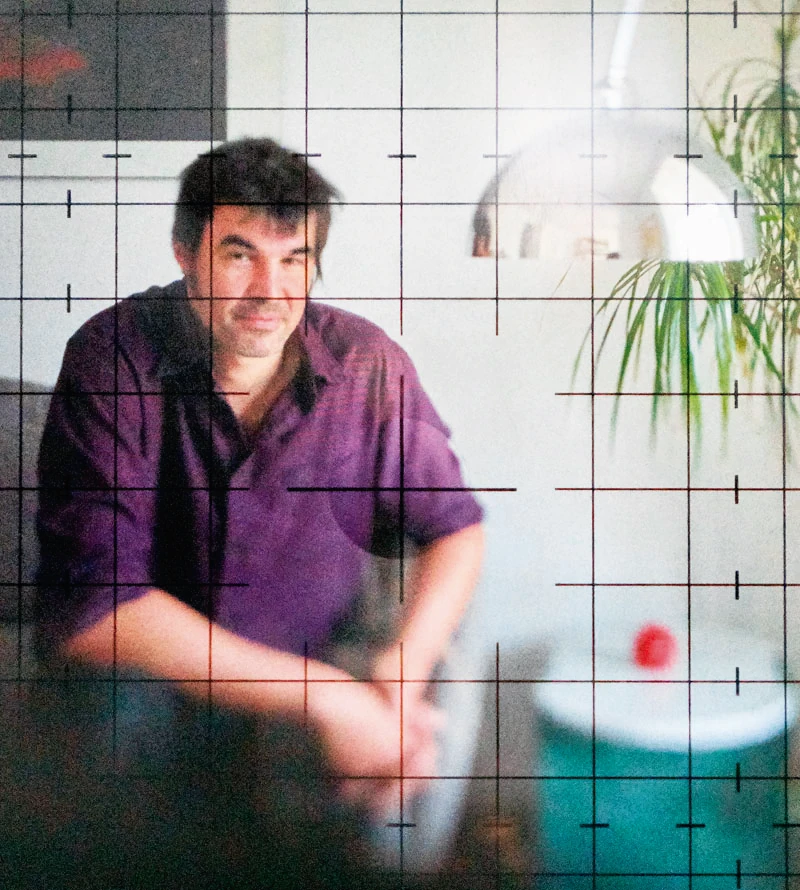
Self-portrait by José Hevia.
Photography has been key to defining how spaces, buildings and their relationship with the surrounding environment are understood. Through his work, José Hevia (Palma, 1976) has contributed for decades to shaping this gaze, occupying a space where the image does not merely document, but also interprets and communicates contemporary architecture.
His interest in this discipline emerged during his years studying Fine Arts, in a context marked by the critical reassessment of modern architecture.
“Both disciplines are based on function. The relationship between photography and architecture has always been very natural, both as a tool for designing and for communicating,” explains the photographer.
His work, present in a wide range of projects —“sometimes even antagonistic to one another”—, starts from a clear idea: “The building is what takes precedence in each case, even more than its architect or the photographer of the moment. You have to remain open to what is fundamental in each project.”
The influence of the image when it comes to understanding an architectural work, Hevia adds, “depends on how much intentional weight is given to the photo essay. Some are highly narrative, while others simply seek to place themselves in a neutral, descriptive space.”
-
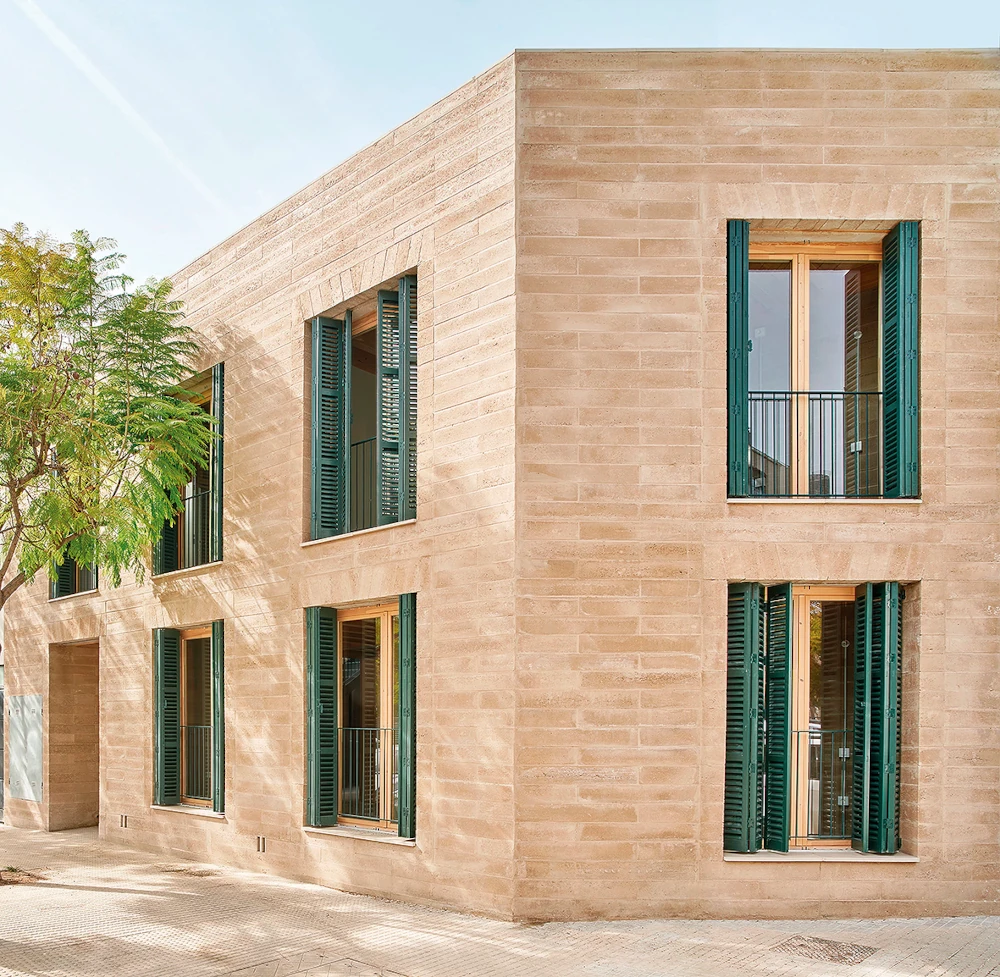
- Viviendas sociales 30+8, en Palma.
-
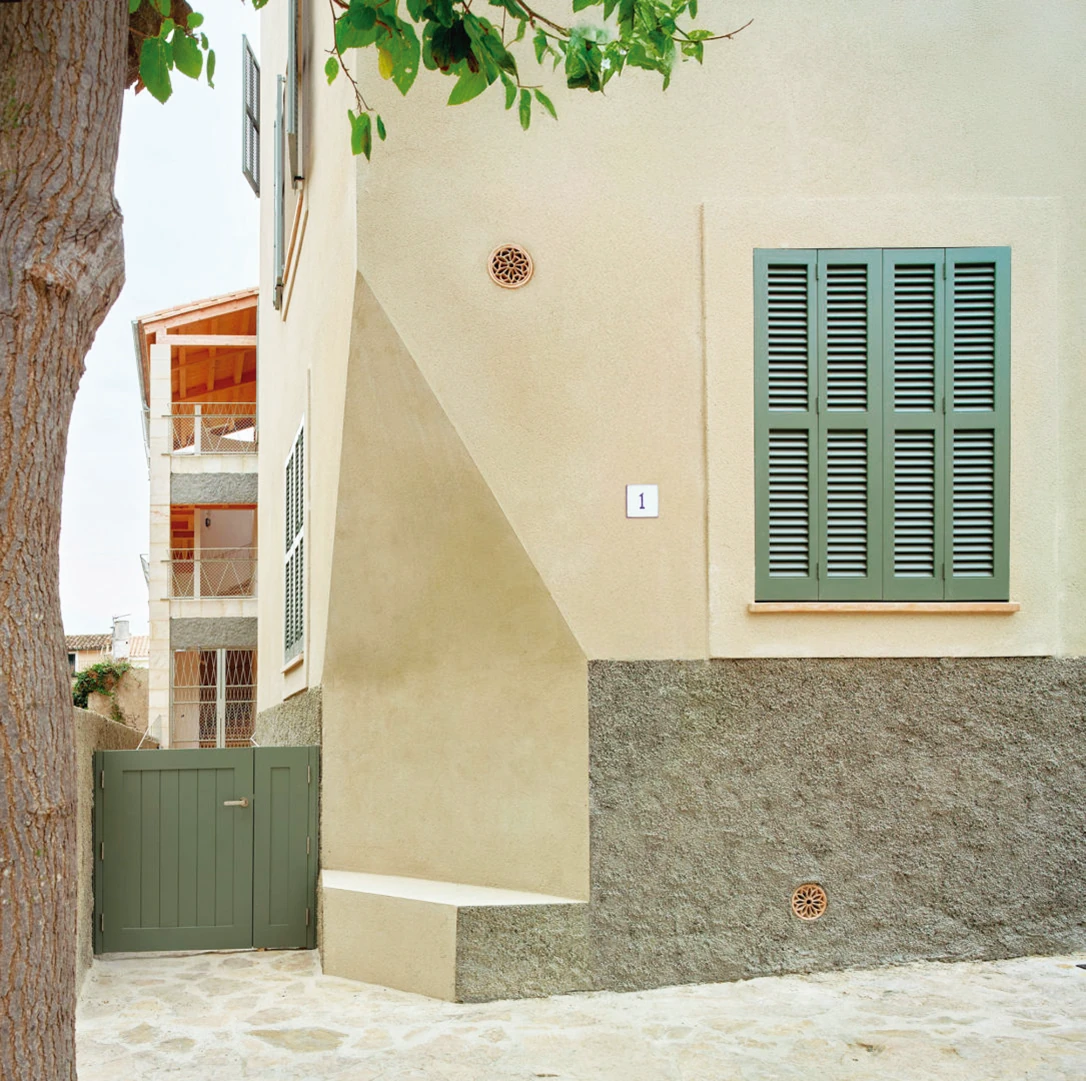
- Vivienda social intergeneracional, Esporles
Capturing Mediterranean architecture
In the case of Mallorca, this gaze is articulated around a very well-defined architectural tradition. Hevia points out that “there has always been an emphasis on revisiting the vernacular architecture of subsistence, so characteristic of the Balearic Islands, a foundation that the modern movement in southern Europe was able to reinterpret successfully.”
Today, he explains, many contemporary architects on the island continue to work from this legacy, incorporating solutions linked to the climate and the place, such as passive cooling systems or the use of locally sourced materials.
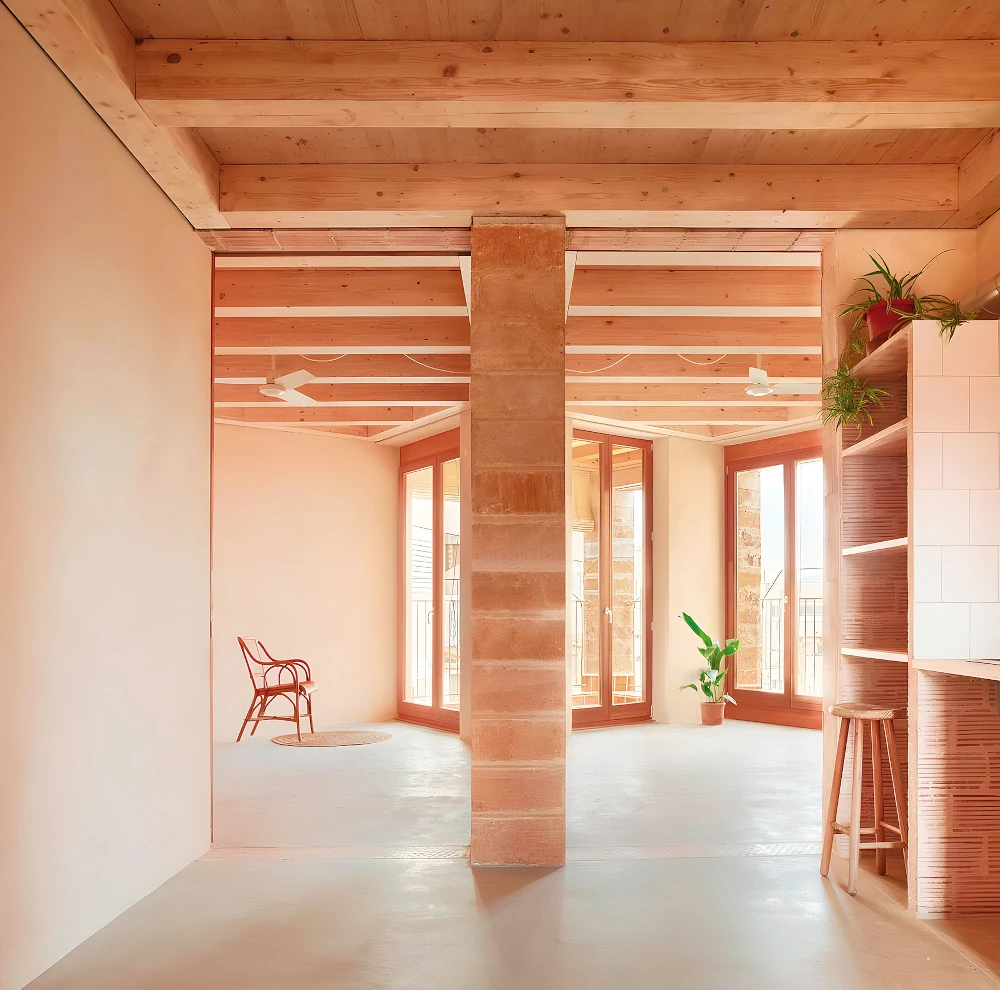
9HPP Marjades, in Inca.
José Hevia, who has also developed his personal work in Mallorca, acknowledges that he has not placed “the key issues in the analysis of the local territory” at the centre. However, he adds, “in an unconscious or accidental way, gentrification, pre-urbanisation, touristification and the loss of cultural identity constantly seep through the images.”
Although for the Mallorcan photographer “architectural photography has not changed much since the 19th century”, with the emergence of artificial intelligence “we are facing a massive shift in the world of images”. The question, he concludes, “will be whether the document will retain its value as a record or not”.




Leave A Comment