
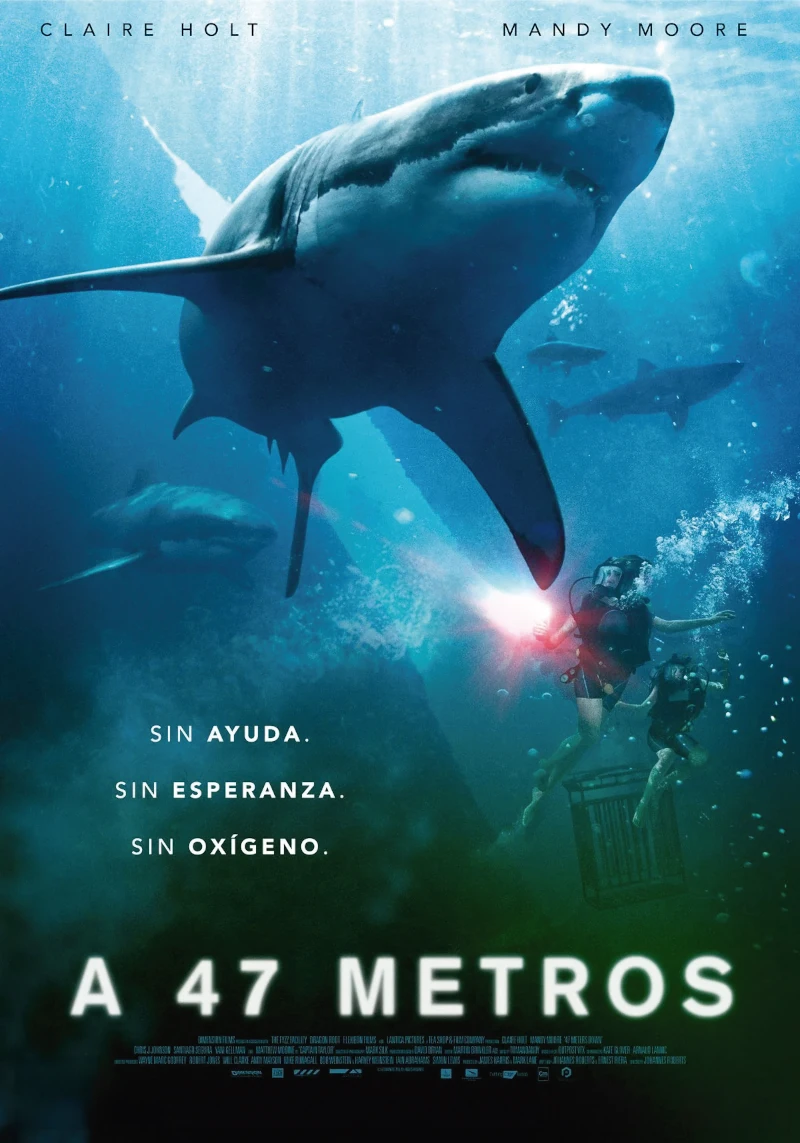
Fear works across all cultures. It needs no translation, no film stars and no big budgets. A good story is enough. Ernest Riera knows this well. The Mallorcan screenwriter has taken part in international productions, written shark films for Hollywood and explored the most visceral kind of horror in his latest successful film, Primate. But he has also addressed much closer fears: social pressure, tourist overcrowding and public shaming.
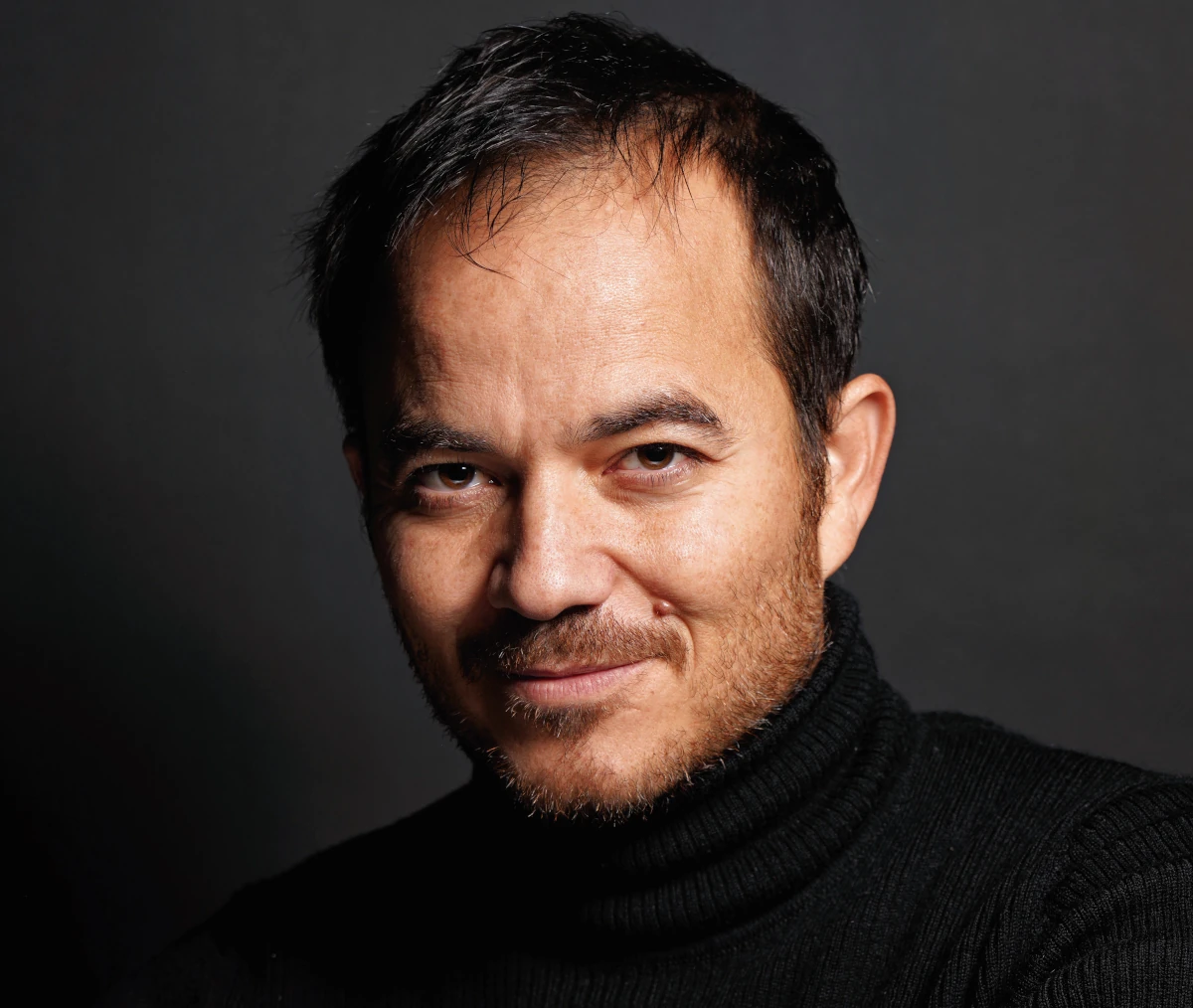
Photo: Gary Lam.
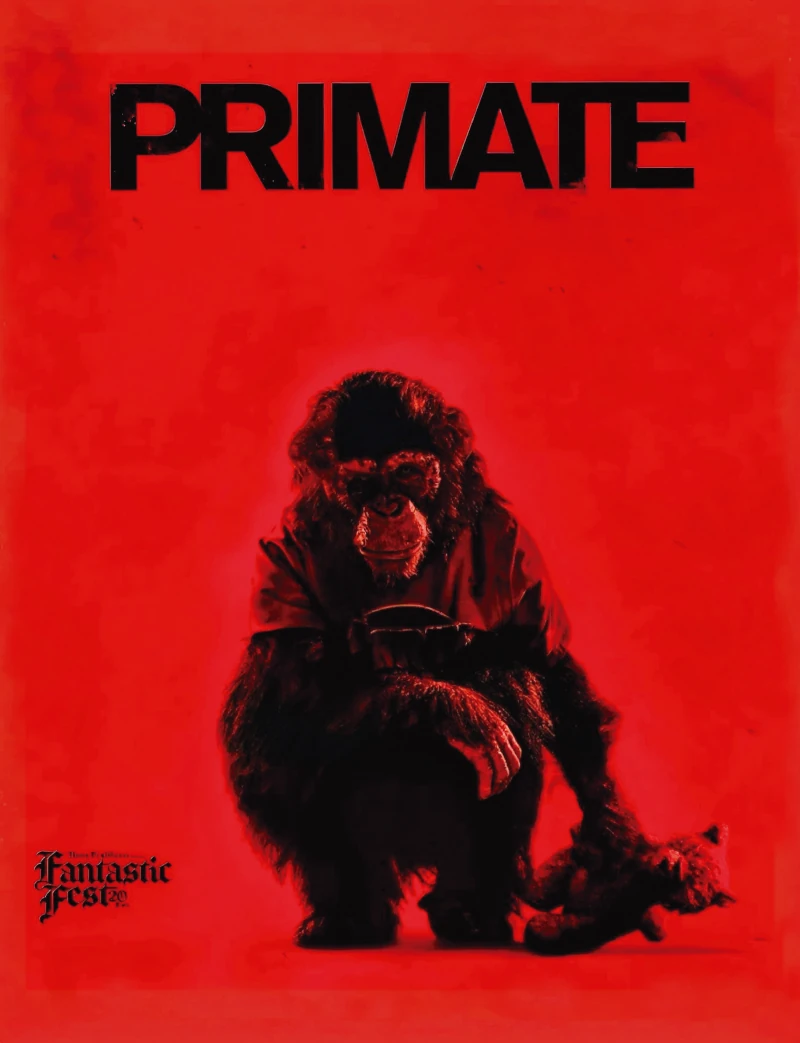
In Primate, “a love letter to Stephen King’s Cujo”, fear comes precisely from within. The idea emerged more than a decade ago in a conversation with director Johannes Roberts, with whom he works regularly. “One day he called me and told me he was watching his mother’s dog barking around the swimming pool like crazy. And he thought: if someone were in there and the dog had rabies… there’s a film here”. Over time, the threat changed form. “We realised that with a chimpanzee it would be even more terrifying. It is the closest thing to us, and what interested us was that the terror came from within, almost from the family”.
For the screenwriter, horror has a quality that explains why “there are always one or two scary films in cinemas”: its universal nature. “There are comedies too, but humour tends to be more national; each country has its own code. Fear, on the other hand, connects with the survival instinct, something shared by all human beings”. And the most effective fear, he believes, always has a psychological basis. “The viewer has to feel that what is happening on screen could happen to them. Horror allows us to experience intense emotions —violence, danger, anguish— from the safety of fiction”. Before filming or special effects, he explains, fear is built into the script. “Our job is to structure the story and pace the tension: knowing when to raise it and when to release it”.
As an anecdote, the Mallorcan recalls that after watching his first horror film, Hitchcock’s Psycho, he could not sleep that night: “I was afraid of going mad and being able to hurt someone, as happened to Norman Bates”.
Despite having worked with international studios and platforms such as Netflix, Riera insists that the craft of screenwriting is far from glamorous. “The red carpet is highly idealised”, he acknowledges. “But most of the time you are locked away writing. And it is also teamwork. A script is never made alone; there are many screenwriters, even if they are not credited: the editors, the actors when they improvise, the director, even the producers, who almost always contribute their vision”.
The real challenge, he points out, is finding stories worth telling. “The important thing is not to be cynical. Not to write thinking about what is fashionable, but about what genuinely interests you”. In this way, over the years he has managed to change the way he measures the success of a film. “At first, reviews mattered a lot to me”, he admits. “I come from an environment where critical pressure was very strong: my father was a philosophy professor, my aunt a writer…”. Over time, his perspective has shifted towards the audience. That does not mean ignoring criticism, he admits, but rather putting it into perspective: “There will always be a bad review. The important thing is that when you finish the film, you like it yourself”.
The horror of overcrowding
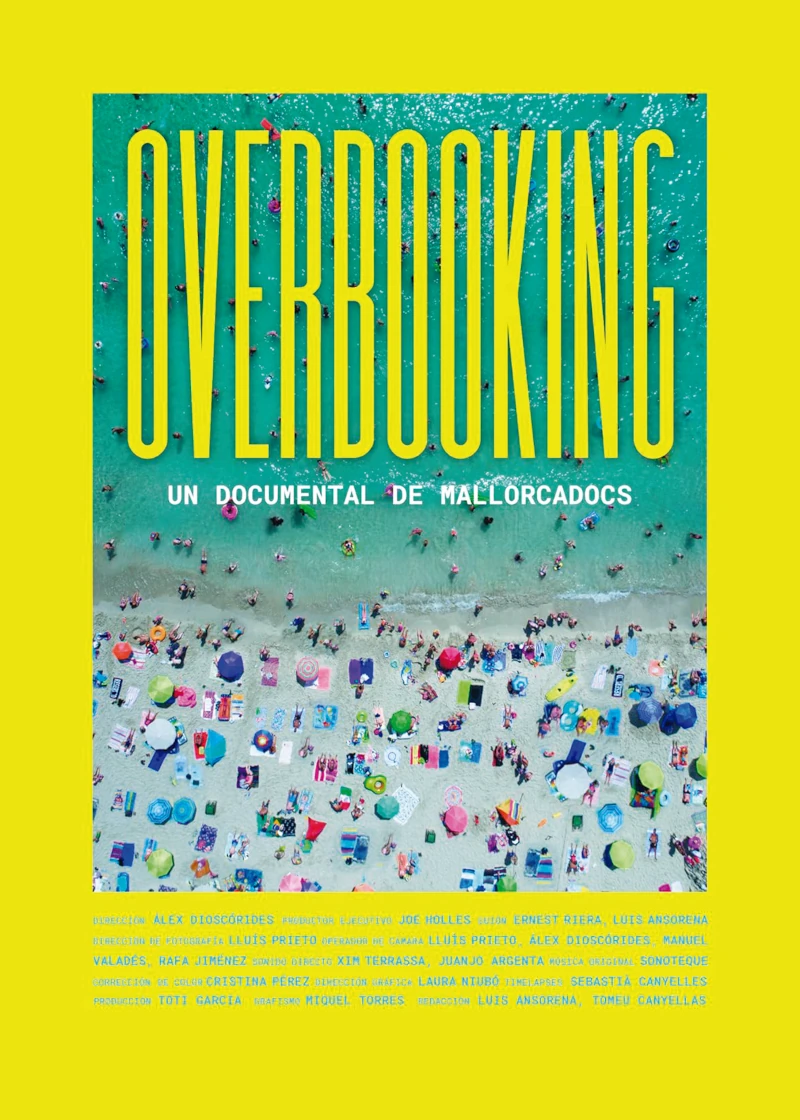
Riera, who feels fortunate to be able to work for the international market from Mallorca, also maintains an interest in stories born on his own island. One example is Overbooking, the documentary that analyses the impact of tourist overcrowding in Mallorca. “If you have seen how the island has changed, that is also a horror film”, he jokes. “But it is not a criticism of tourism itself, which has fed us for many years. It is a criticism of the model being followed. Before, with less tourism, people lived better. Now, with much more tourism, people live worse. And that is a fact”.

His recent career also includes another documentary project that led him to explore a very different fear: public shaming. What Happened to the Dolphin King?, produced by Netflix, reconstructs the story of José Luis Barbero, a Marineland trainer whose career was destroyed after a video was released and sparked a strong reaction on social media. “Today, that is one of the most dangerous fears”, he reflects. “Before, we built our identity through the reflection of the people close to us. Now those mirrors multiply with people we do not even know. And that can be devastating”.
Regarding the island’s audiovisual industry, Riera believes that it “needs greater stability. There is a lot of talent and it has grown, but structural support is lacking. Cinema should not be seen only as tourism promotion, but as an industry that also generates wealth”.
For the screenwriter, being Mallorcan has influenced the way he imagines stories. “First, there is the sea. It surrounds us everywhere and is always present in some way”, he explains. But there is also a deeper influence linked to the island’s oral tradition. “Some rondalles are terrifying”, he jokes. “When I was little, we didn’t have the internet and many stories were told at home. That tradition of storytelling, living in a land of smugglers, surrounded by landscapes and beauty… all of that fires the imagination”.





Leave A Comment