
Aina Galmés, head of the degree in Sports Sciences at the UIB, explains the growing interest in this discipline, the most sought-after career paths and the challenges of a sector that continues to advance in its professionalisation.
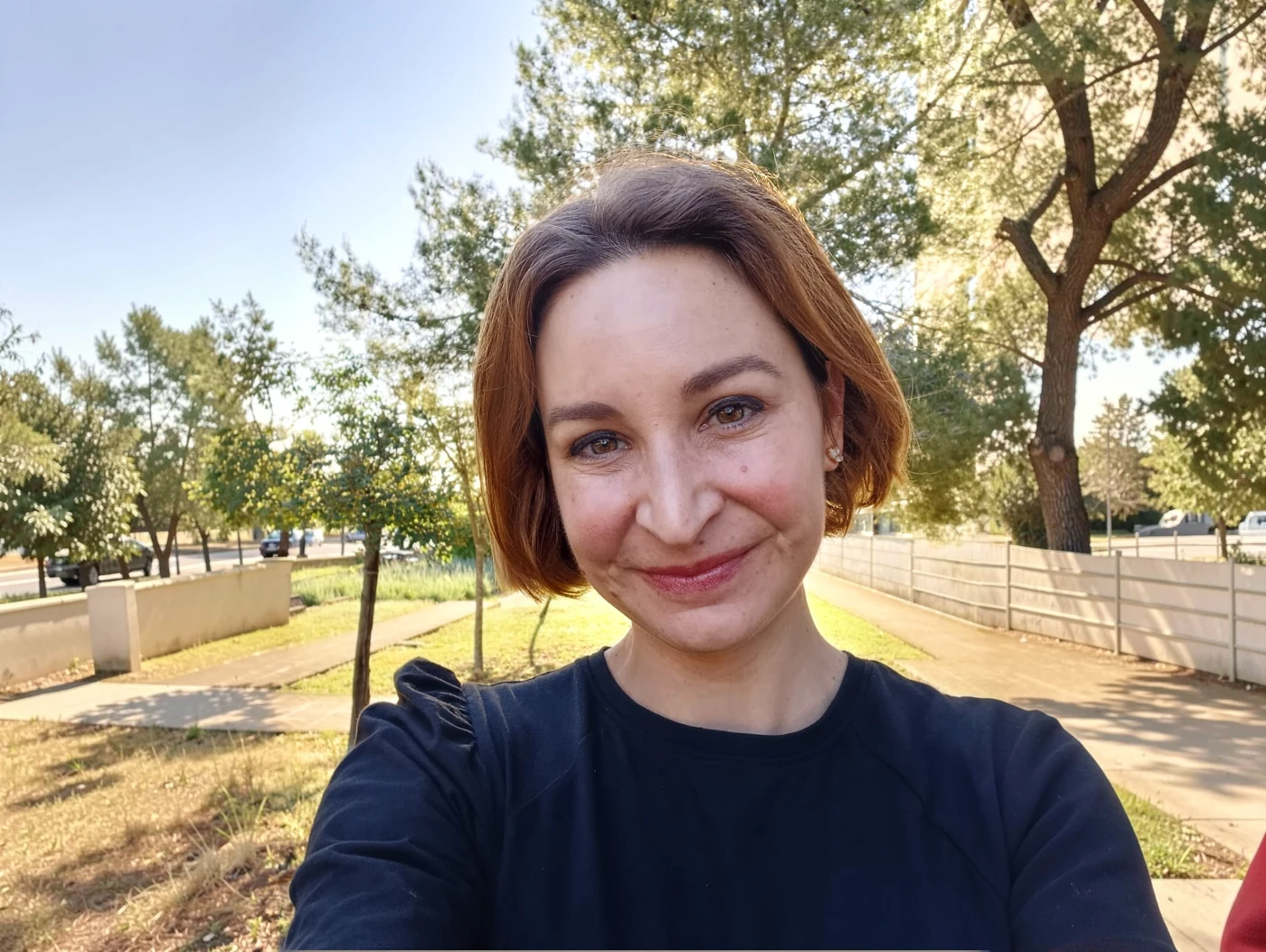
Interest in Physical Activity and Sport Sciences continues to grow in the Balearic Islands. Aina Galmés, head of the degree at the UIB, analyses the high demand for these studies, the most sought-after career paths and the need to continue professionalising a sector that is still evolving.
— Have you noticed an increase in interest or enrolment in Physical Activity and Sport Sciences?
— The degree programme began at the UIB in the 2024–25 academic year. Since its launch, it has seen extraordinary demand: in 2024–25, 275 first-choice applications were registered for just 35 places, which shows the strong social and academic interest in these studies. This high demand has also been reflected in the entry requirements, with the cut-off mark rising from 9.576 in 2024–25 to 10.100 in 2025–26, consolidating the degree as a highly competitive programme. Historically, many students from the Balearic Islands interested in these studies were forced to leave the archipelago in order to train. The launch of the degree at the UIB has marked a very significant shift, offering a high-quality academic alternative in a nearby environment. In addition, we have a campus with good sports facilities, adapted to current training needs, as well as highly qualified teaching staff with both teaching and research experience in the field of sports sciences. All this makes it possible to offer modern, practical training aligned with the sector’s professional opportunities.
— What professional profiles are graduates finding today? Has this changed compared with a few years ago?
— The professional profiles seen in the two years since the degree was introduced have remained relatively stable, with strong interest in high-performance training and in health promotion. Students also show great interest in teaching as a career path, particularly as Physical Education teachers in secondary education.
— From the university’s perspective, how do you see the evolution of the fitness sector in recent years?
— From the university, we observe that the fitness sector has undergone a very notable evolution in recent years, with growing social presence and greater awareness of the benefits of physical activity for health. In this context, from the academic sphere, we believe it is essential to continue moving towards the sector’s professionalisation, promoting the presence of properly trained, competent professionals with ethical responsibility. This is key to ensuring practice that is safe, high-quality and aligned with the needs of the population.
— Has the sector become more professionalised, or is there still malpractice in certain training areas?
— The sector has clearly advanced in its professionalisation in recent years. There is increasing awareness of the importance of having qualified professionals in the field of sports sciences. Nevertheless, there are still some cases of malpractice in certain areas. In this regard, both current legislation and professional bodies such as the COLEF Council at national level, and COLEF-IB at regional level, actively work to promote respect for the professional competencies of physical activity and sports educators. From the university, we understand that the way forward is to continue strengthening training, regulation and social awareness, always from a constructive perspective aimed at improving the sector and ensuring safer, higher-quality practice based on scientific evidence.
— What differentiates a trained professional from someone working without that academic background?
— University education aims to provide a solid foundation of knowledge and skills that go beyond immediate practice. A trained professional does not simply apply exercises, but is able to critically analyse information, base decisions on scientific evidence and adapt interventions to the characteristics and needs of each person. In addition, throughout training, transversal skills are developed, such as communication, teamwork and the capacity for continuous learning, all of which are essential in increasingly complex professional environments. Ultimately, the main difference lies in the ability to make informed, safe and responsible decisions, especially when working in fields related to the promotion of health and people’s wellbeing.
— Would you say the rise of fitness responds more to greater awareness of health or to a cultural shift around the body and image?
— It probably responds to a combination of both factors. There is greater awareness of the importance of health, with concepts such as longevity and quality of life becoming increasingly present in society. In this sense, physical activity and sport sciences play a key role in promoting health and maintaining autonomy throughout life. To achieve this, health literacy among the population is essential, from childhood through to old and very old age. And in this process, physical activity and sports educators play a key role in helping citizens make informed decisions that are genuinely oriented towards wellbeing.
💡 Read the feature on the rise of fitness in Mallorca, included in our magazine Mallorca Global Mag.





Leave A Comment