
The 2026 llampuga fishing season in the Balearic Islands begins this Tuesday, 25 August, and will run until 31 December. A total of 35 professional fishing vessels, all based in Mallorca, will take part in this year’s season.
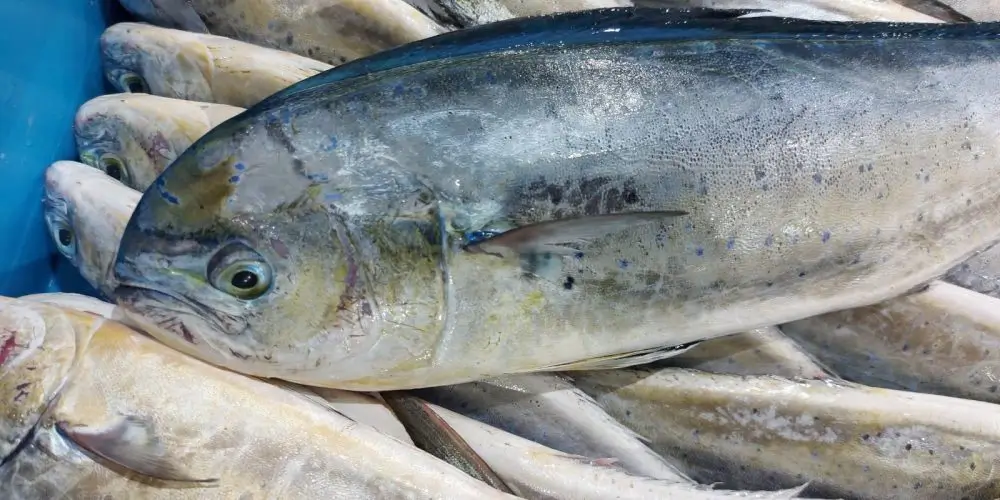
The season also affects recreational anglers. European regulations establish specific limits on catches and the distance they must maintain from professional fishermen.
Limits for recreational llampuga fishing
Recreational anglers can also catch llampuga until 31 December. The maximum permitted catch is 10 kilos or five fish per person per day, regardless of their size.
In addition, recreational vessels are prohibited from fishing within 250 metres of the capcers (fish aggregation devices) used by professional fishermen to attract fish.
The Directorate-General for Fisheries points out that fishing with the llampuguera (traditional fishing gear used to catch llampuga) is reserved exclusively for professional small-scale fishermen. The regulations provide for significant financial penalties for those who fail to comply with these restrictions.
2026 llampuga fishing season in the Balearic Islands capped at 127 tonnes
For the third year, the professional fishing season will be subject to a total allowable catch (TAC). European regulations set a maximum of 127 tonnes for Spain and limit fishing effort to 45 vessels.
This quota applies exclusively to vessels from the Balearic Islands. The archipelago is the only region in Spain where this type of fishing is practised using capcers and llampuguera.
Catches during a typical season range from 80 to 120 tonnes. This year, 35 vessels will ultimately take part, below the maximum established by the regulations.
Nearly €650,000 in catches during 2025
Llampuga fishing is one of the most deeply rooted traditional fisheries among Mallorca’s artisanal fleet. It also has significant commercial importance during the months in which the season takes place.
Last year, 114,459 kilos of llampuga were caught, generating €646,273 in revenue for the sector. For 2026, the Directorate-General for Fisheries expects similar results in terms of catch volumes and revenue.
The fishermen’s associations of Cala Rajada and Alcúdia stand out for the volume of llampuga caught. Meanwhile, the OPMallorcaMar Producers’ Organisation sets a daily maximum of 150 kilos per vessel for its members.
The Balearic Minister for Agriculture, Fisheries and the Natural Environment, Joan Simonet, highlighted the importance of this activity. “Llampuga fishing is deeply rooted in Mallorca and is an important season for our artisanal fleet,” he said.
Simonet also emphasised its “economic, social and cultural” importance. According to the minister, the aim is to combine this tradition with sustainable management to ensure its continuity.





Leave A Comment