
SPECIAL CONTENT LEISURE’26
The historic cellers and traditional recipes define a cuisine rooted in local produce and the land
Inca preserves on its table an essential part of its identity. The municipality’s gastronomic tradition, deeply rooted in local history, has been passed down from generation to generation, closely linked to locally sourced produce and to a way of understanding cuisine connected to the land and everyday life.
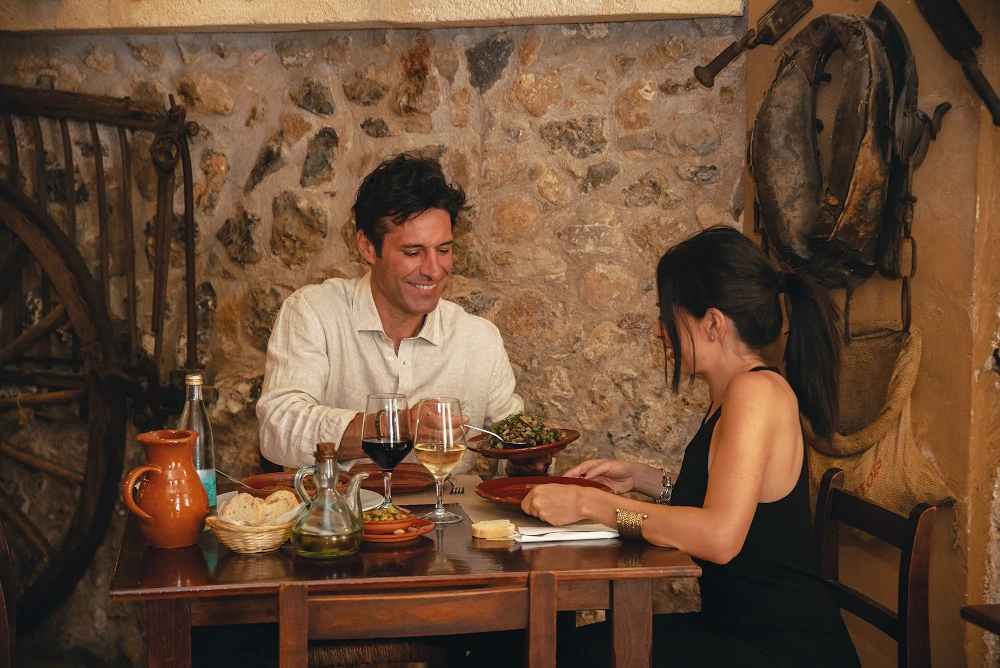
Inca’s historic cellers preserve the essence of traditional Mallorcan cuisine. Photos: Ajuntament d’Inca.
The cellers — former wine cellars converted into traditional eateries — stand as the guardians of Inca’s culinary heritage, where architecture and history form part of the gastronomic experience itself. Celler Can Ripoll preserves the essence of the Baroque cellars of the 17th and 18th centuries, with a spacious underground hall featuring high ceilings and semicircular arches. Celler Tonet, also from the same period, stands out for its solid stone doorway and an interior where the wooden beams rest on a wrought-iron pillar. Meanwhile, Celler Can Lau retains its family character, with original elements such as the stone vat where wine once fermented and historic barrels — one of them dating from 1840 — that evoke the area’s winemaking past.
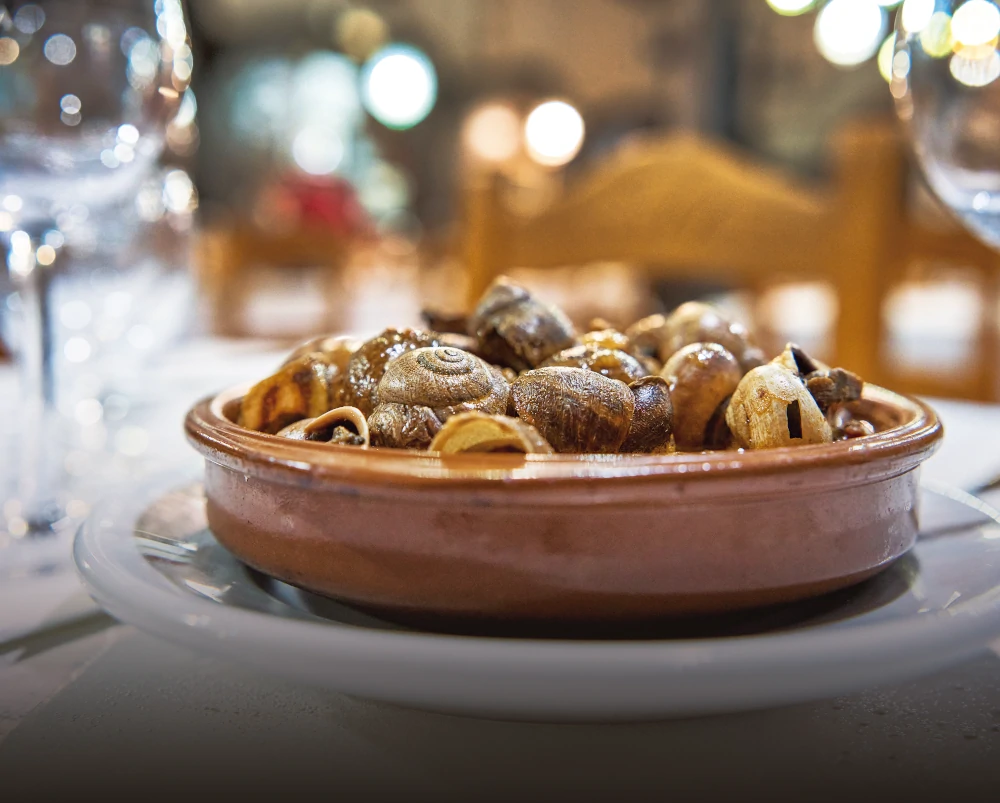
Snails, among other dishes, are part of the traditional recipe book closely linked to the land and Inca’s gastronomic heritage.
At their tables unfolds a repertoire that encapsulates centuries of Mallorcan tradition, with a distinctive character of the capital of Es Raiguer. The frit, one of the island’s oldest dishes, combines meat, vegetables and spices in a preparation as simple as it is intense. Sopes reinterpret the concept of soup with a base of bread, vegetables and broth, while arròs brut offers a rich, spiced rice dish that varies with the seasons. Tumbet highlights garden produce with layers of potato, aubergine and pepper, and sobrassada, made from pork and paprika, remains one of the great symbols not only of Inca, but of the whole of Mallorca. And if there is one formula that encapsulates this diversity, it is the variat, a combination of small portions that allows different flavours to be explored in a single dish, deeply rooted in popular culture.
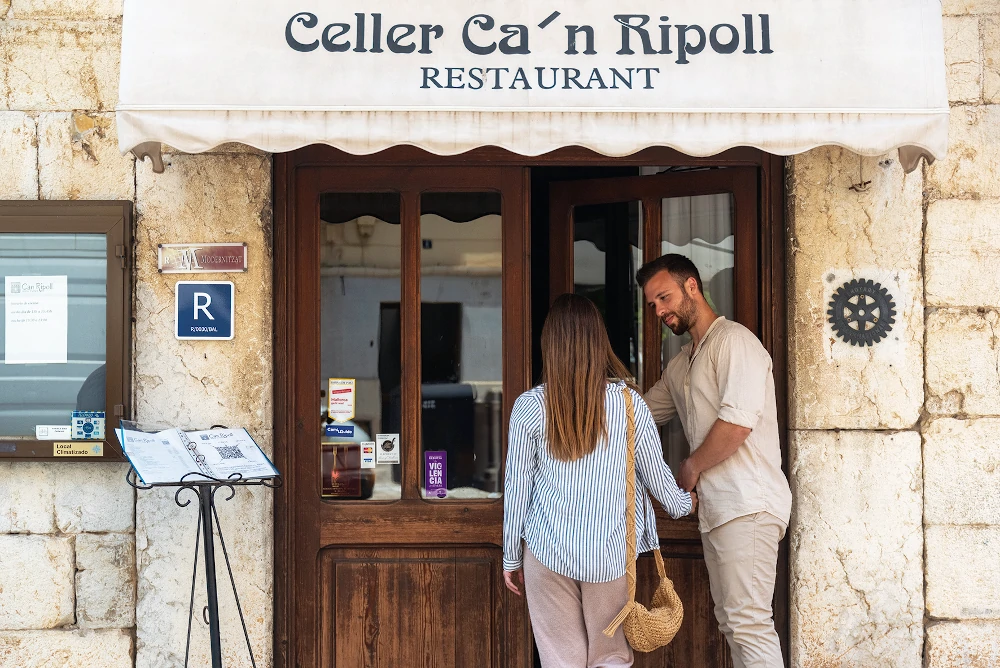
Façade of Celler Can Ripoll.
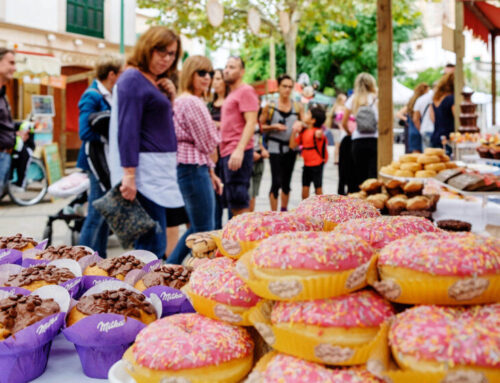
The traditional recipe book also lives on in its pastries. The famous ensaïmades, light and airy, coexist with specialities such as congrets, a dense sponge cake typical of Inca made with flour, eggs and sugar, and torró fort, based on almonds, honey and sugar, a sweet that goes beyond the Christmas season.
Beyond each dish, the local gastronomy of Inca reflects a way of living and sharing that has endured over time. Because the memory of Inca is also written through its cuisine.
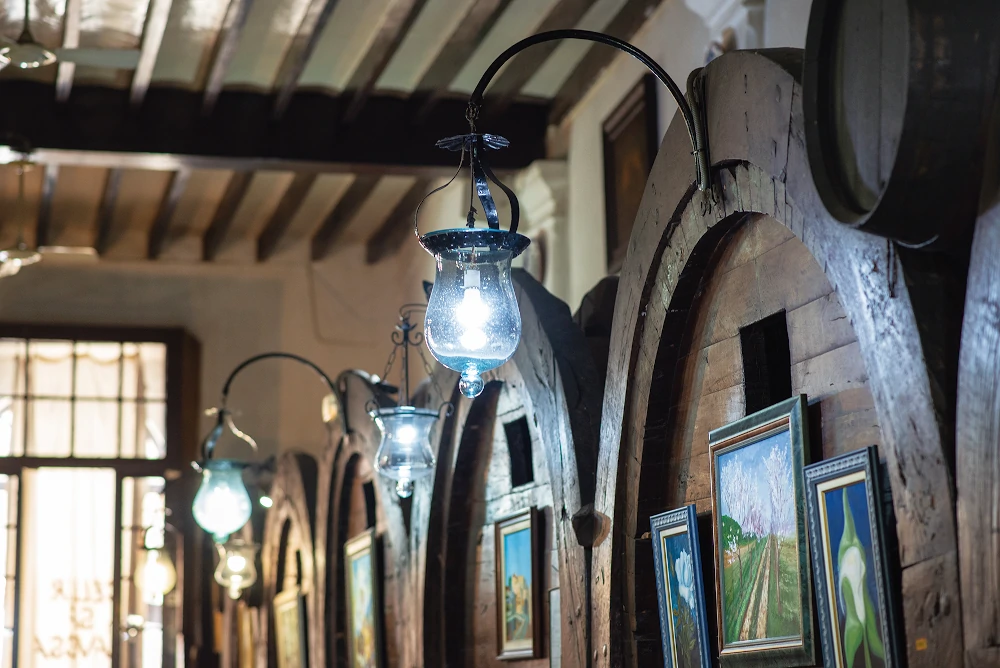
Reminders of Es Raiguer’s winemaking past.





Leave A Comment