
SPECIAL CONTENT LEISURE’26
The municipality has launched the island’s first certified short walking routes to strengthen its commitment to hiking
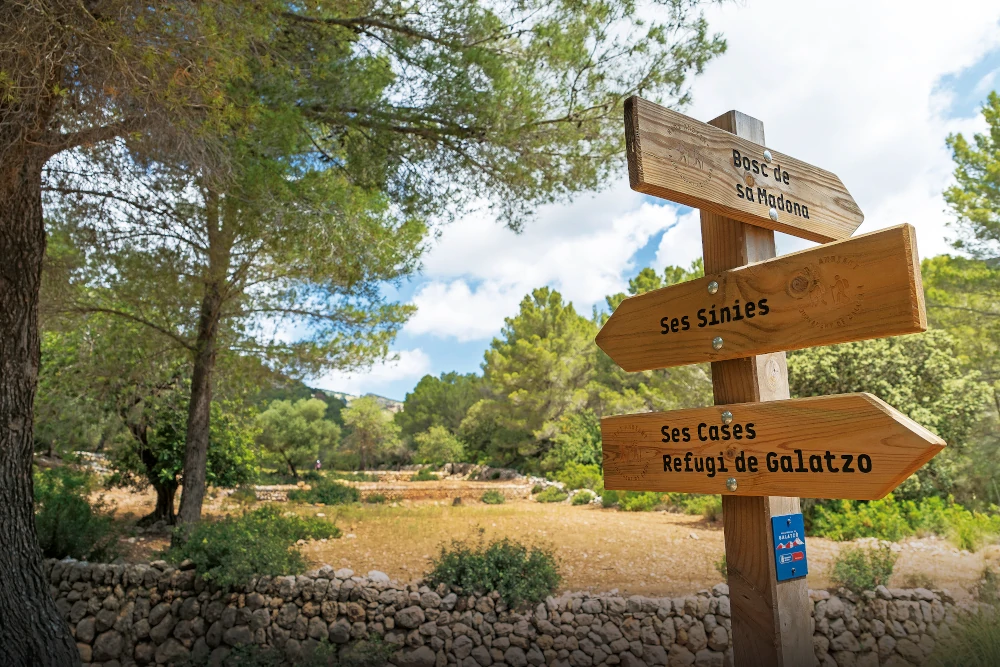
The route signage ensures simple and safe navigation along Calvià’s certified walking trails. Photos: Ajuntament de Calvià.
Calvià reveals itself in a different way when explored on foot. Beyond its image associated with “sun and beach”, the municipality holds a diverse territory in which nature, heritage and tradition shape a landscape full of nuances. Its paths through pine forests, agricultural valleys, former mountain routes and historic sites allow visitors to delve into the true essence of Mallorca, an evocative setting best appreciated step by step.
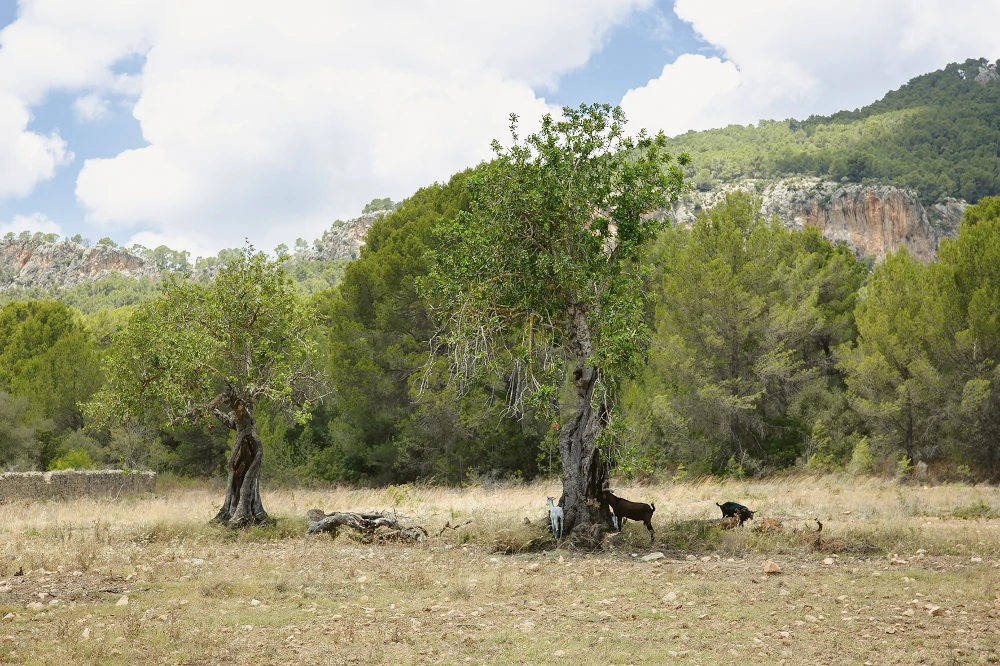
Goats in the rural landscape of Es Capdellà.
To highlight this richness, the Ajuntament de Calvià, together with the Fundación Calvià 365, has promoted a network of certified walking routes aimed at establishing the municipality as a leading year-round active destination. These are the first four signposted short routes (PR) on the island, covering a total of 21.6 kilometres and centred around the Finca Pública de Galatzó, the gateway to the Serra de Tramuntana, a UNESCO World Heritage Site. They are routes designed for different levels which, with clear and safe guidance, allow both residents and visitors to enjoy hiking.
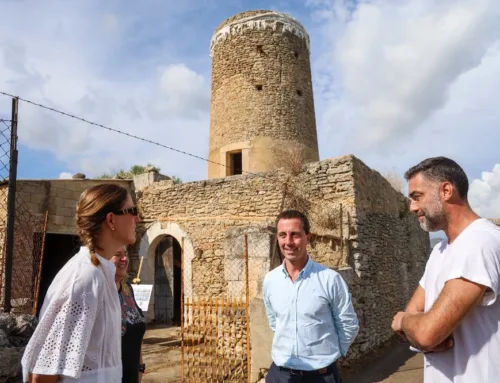
The PR-MA 1 Peguera–Es Capdellà traces a route between the coast and the interior, winding through pine forests, cultivated fields and the surroundings of the Torrent des Gorg. Along the way appear the possessió of Son Vic Vell, with its 16th-century defensive tower, and the 14th-century Torre d’en Boira, both linked to protection against pirate incursions.

The circular PR-MA 2 La Vall Verda route runs through Aleppo pine forests and holm oak woodlands, as well as cultivated areas and seasonal streams, offering memorable views over the Calvià valley and the peaks of Puig de Galatzó and the Mola de s’Esclop.

In the Galatzó Public Estate, the PR-MA 3 Sa Vinya route ventures into former agricultural lands, with landmarks such as Es Tramuntanal, the Font des Obis and Sa Vinya itself, where terraces, hydraulic systems and charcoal kilns are preserved, along with several Talayotic archaeological sites.

Also within this area, the PR-MA 4 Sa Font de sa Cometa route offers a walk leading to the Sa Cometa spring, of Islamic origin and linked to a system of qanats that supplied the possessió. Along the way, terraces, pine forests and ethnographic elements such as lime kilns and former cultivated areas follow one another.

This is the first step in a pioneering project that will extend beyond the western area of Calvià and aims to showcase its rich natural and historical heritage in a more sustainable, organised, accessible way, closely connected to its identity.
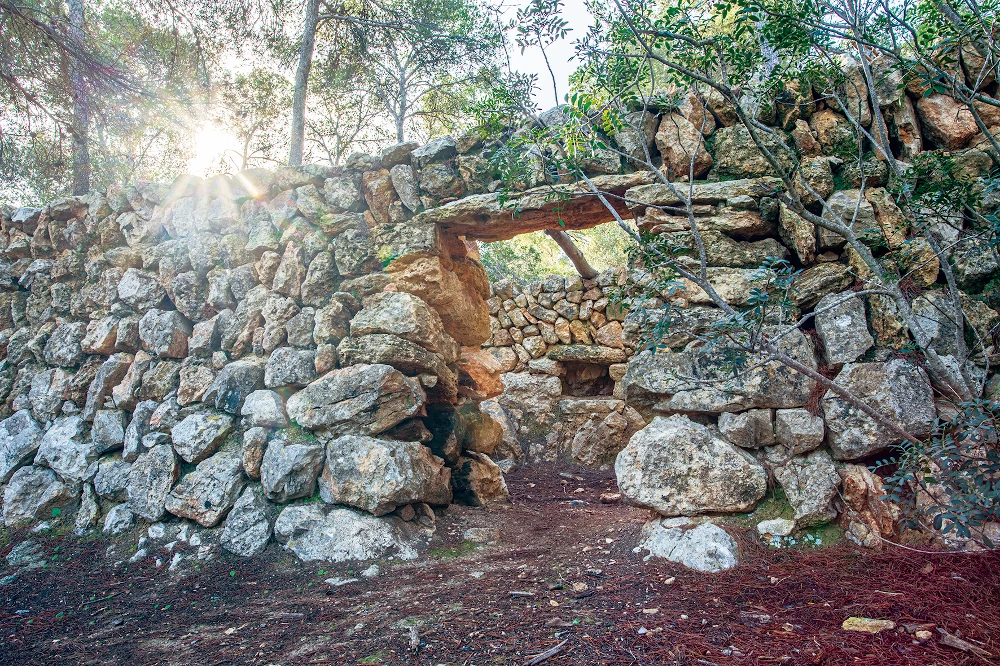
Barraca de roters de sa Morisca, a reminder of Calvià’s traditional agricultural activity.






Leave A Comment