
The new traffic rules for 2026 come into force this Thursday, 1 October, with changes particularly affecting users of electric scooters, bicycles, motorcycles and mopeds. The reform of the General Traffic Regulations introduces new requirements regarding the use of helmets, gloves and reflective vests, as well as changes to the rules for overtaking cyclists and driving in congested traffic.
The Government approved the reform last June, but most of the measures are only now coming into force. The changes also include a minimum age of 15 for riding electric scooters, the introduction of an emergency corridor in traffic jams and the removal of some exemptions from seat belt requirements.
What changes for electric scooters from 1 October
Users of personal mobility vehicles (PMVs), including electric scooters, must comply with the following new rules:
- Minimum age of 15 to ride a PMV.
- Protective helmet compulsory.
- Reflective vest at night or in conditions of poor visibility.
- Professionals who use a PMV, such as delivery riders, must wear a reflective vest at all times.
- Failure to comply with helmet and reflective vest requirements is a serious offence punishable by a €200 fine.
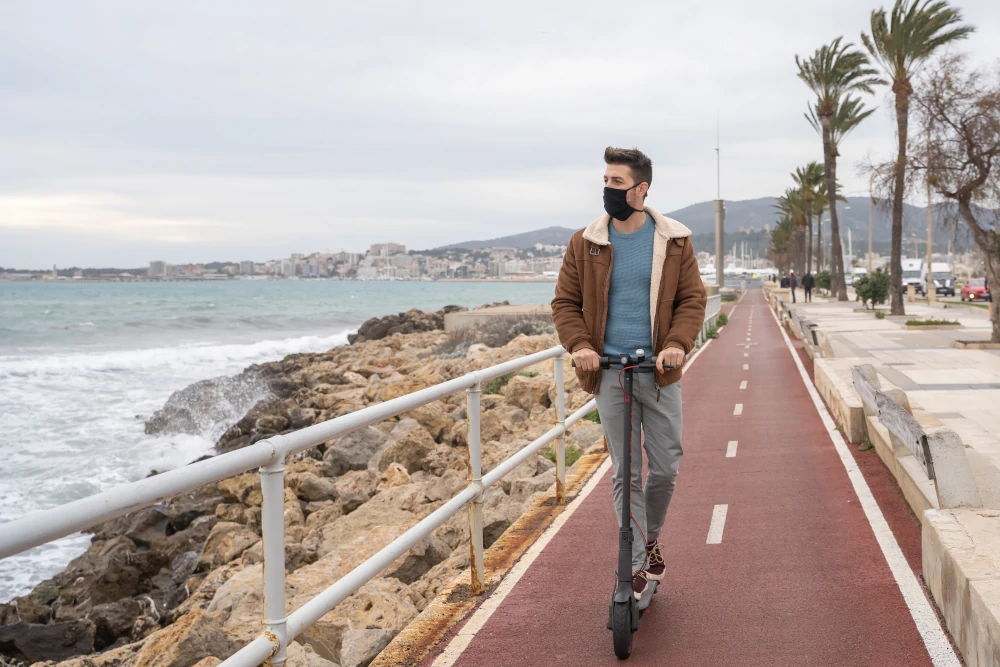
In addition, outside urban areas, PMVs may be authorised to use routes segregated from motor vehicles, such as cycle paths or cycle lanes.
There is one important exception: the requirement to keep PMV lights switched on at all times will not come into force until 1 October 2027.
New traffic rules for cyclists in 2026
The reform also introduces changes for people travelling by bicycle:
- Previous exemptions are removed and helmets will be compulsory for all cyclists on roads outside urban areas.
- Delivery riders working by bicycle must always wear a helmet and reflective vest.
- When overtaking a cyclist on a road outside an urban area, vehicles must reduce their speed to at least 20 km/h below the speed limit.
- On roads with more than one lane in each direction, drivers must move completely into another lane, as well as maintaining a minimum lateral distance of 1.5 metres.
- In urban areas, cyclists should preferably ride in the centre of the lane.
- Motor vehicles must maintain a minimum distance of 5 metres from a bicycle travelling ahead in the same lane.
Changes to traffic rules for motorcycles and mopeds
The new 2026 traffic rules for motorcycles also change the equipment that riders and passengers must use:
- Protective gloves will be compulsory on roads outside urban areas.
- Closed footwear will be compulsory on all roads.
- Both requirements are considered serious offences and may result in a €200 fine.
- Delivery riders working on motorcycles must wear a reflective vest.
- Motorcycles will be allowed to use the right-hand hard shoulder when traffic is congested, but only on sections where this is specifically permitted and without exceeding 30 km/h.
In the case of gloves, the requirement for them to be specifically approved protective gloves remains subject to a ministerial order that will determine their technical specifications. Until then, the protective gloves currently in use may be worn.
Meanwhile, the requirement concerning an approved helmet for users affected by this amendment will not come into force until 1 October 2027.
How the new emergency corridor works in traffic jams
Another new feature of the General Traffic Regulations is the so-called emergency corridor.
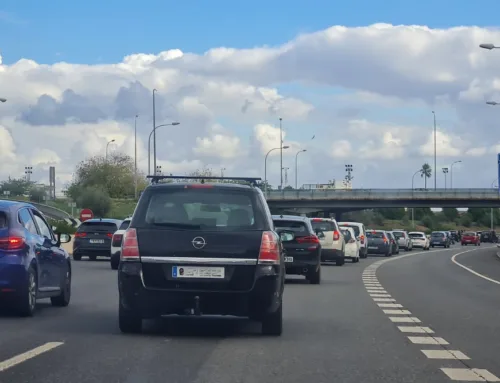
When traffic is moving at walking pace or has come to a standstill, drivers must move aside to leave a clear central space for police vehicles and other emergency services to pass through.
The rules also change when snow disrupts traffic on motorways and dual carriageways: overtaking will be prohibited and vehicles must use only the right-hand lane, leaving the left-hand lane clear for emergency services and snowploughs.
Seat belts compulsory for taxi drivers and other motorists
The reform removes some of the exemptions that previously applied to seat belt use. From 1 October, seat belts must also be worn by:
- Taxi drivers.
- Drivers of goods vehicles.
- Driving instructors.
An exemption remains for certain passengers in ambulances when they are in the patient compartment during an emergency.
Other changes coming into force on 1 October
The new regulations also include the following changes:
- Vehicles passing another vehicle stopped because of an accident, breakdown, roadside assistance or maintenance must leave a 1.5-metre gap and reduce their speed to at least 20 km/h below the speed limit.
- As a general rule, at signal-controlled pedestrian crossings, flashing amber lights for vehicles may no longer coincide with a green light for pedestrians.
- Safe school routes are formally recognised in law.
- Parked motorhomes may not deploy elements that extend beyond their perimeter, must rest solely on their tyres and may not discharge fluids from the living area.






Leave A Comment