Deaths from cancer in the Balearic Islands recorded a 1.5% decrease in 2024, according to the latest data from the Institut d’Estadística de les Illes Balears (IBESTAT). In total, 2,447 people died from some form of tumour (1,383 men and 1,064 women), a lower figure than in 2023, when 2,485 deaths were recorded.
Tumours remain the leading cause of death in the archipelago, ahead of cardiovascular diseases. They account for 27.2% of all deaths registered in 2024 (9,001), meaning more than one in four deaths.
Main types of cancer in the Balearic Islands and mortality
Among women, the cancers with the highest mortality were lung, breast and colon, while among men the most lethal were lung, colon and prostate cancers.
- Lung cancer: 532 deaths (361 men and 171 women).
- Breast cancer: 148 deaths (146 women and 2 men).
- Colorectal cancer: 311 deaths (160 men and 151 women).
- Prostate cancer: 133 deaths, all in men.
Of all people who died from cancer in the Balearic Islands, 56.5% were men and 43.5% were women.
Participation increases in cancer screening programmes in the Balearic Islands
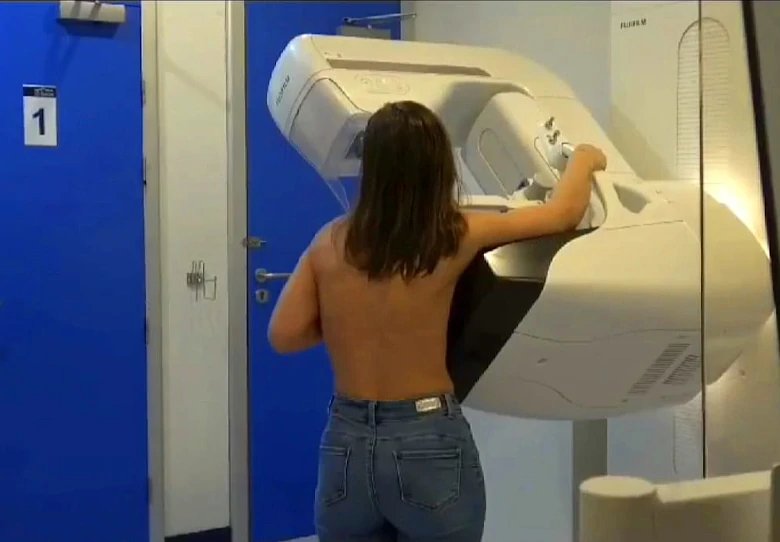
A woman undergoes a mammogram as part of the breast cancer early detection programme in the Balearic Islands. Photo: CAIB.
One of the most positive developments in the fight against cancer in the Balearic Islands is the significant increase in participation in early detection programmes:
- Colorectal cancer screening: in 2025, 36,326 people took part, an 18% increase on the previous year.
- Breast cancer screening: 32,232 women attended routine mammography checks, representing a 20% increase.
In addition, Public Health authorities are finalising the rollout of a cervical cancer early detection programme using vaginal cytology and testing for the human papillomavirus (HPV), which is expected to be fully implemented across the Balearic Islands in the first half of the year. A pilot study is also under way to introduce a population-based lung cancer screening programme.
More cases, but higher survival rates
At national level, the report Las cifras del cáncer en España 2026 by the Spanish Society of Medical Oncology (SEOM) forecasts an increase in cancer incidence, with 301,884 new diagnoses expected in 2026, a 2% rise compared with 2025. However, survival continues to improve: five-year net survival now stands at 57.4% in men and 65.2% in women, double the figures recorded four decades ago.
Oncology research in the Balearic Islands
Research is another key pillar in tackling cancer in the Balearic Islands. The Institut d’Investigació Sanitaria Illes Balears (IdISBa) has around 130 researchers working across eight specialised oncology groups. Its main lines of work include cancer epigenetics, functional oncogenomics and research into breast cancer, colorectal cancer and haematological oncology, with the aim of advancing towards more precise and effective treatments.
Prevention and healthy lifestyles
To mark World Cancer Day, the Conselleria de Salut has highlighted the importance of maintaining healthy lifestyles and reducing tobacco and alcohol consumption, as well as tackling obesity and physical inactivity. According to the World Health Organization (WHO), around one third of cancer deaths are linked to avoidable risk factors such as tobacco use, alcohol consumption, poor diet and lack of physical activity.



Leave A Comment