
The Balearic Islands have opened up their economy to 157 international markets with an export basket that now includes 779 distinct industrial and agri-food products, marking the highest level of diversification in the past three decades. This is according to the latest report by the Fundació Impulsa Balears, which analyses the evolution of the archipelago’s foreign trade “in a highly tense international context, where the benefits of globalisation are increasingly being called into question and restrictive trade measures, such as those currently implemented by the United States, are on the rise,” the organisation notes in a statement.
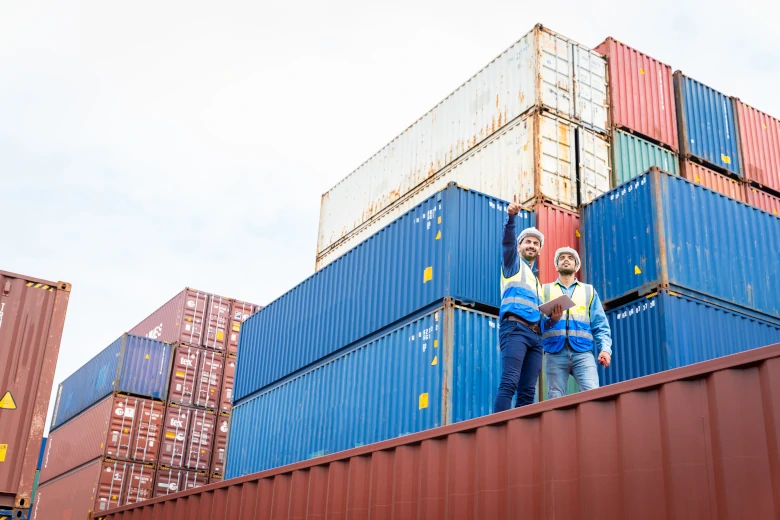
In addition, geographical expansion has helped to reduce dependence on traditional markets. Exports to EU-27 countries currently account for 55.9% of the total (down from 60.5% in 2023), the lowest level in the past eight years. Meanwhile, the Balearic presence has grown in other regions such as the rest of Europe (13.3% vs 3.6% in 2023) and Latin America (7.5% vs 6.3% in 2023).
The export basket, which has increased its total number of entries compared to the previous year (764), is structured into 121 product families and 20 main categories.
Diversification helps cushion global trade tensions
A more diversified commercial strategy allows the archipelago to better withstand the impact of global trade tensions, such as those stemming from US tariff policies. In this regard, the US market represents a limited share of total sales (0.8%), although it shows notable interest in certain Balearic products such as footwear (19.5% of all exports to the US), cheese (13.9%), furniture (10.7%), textile goods (7.8%), chemical products (7.6%) and artworks (7.1%).
The analysis by Impulsa Balears also highlights 96 products in which the islands show significant comparative advantages over the national average. These include traditional sectors such as blown glass (with a relative importance in the Balearic export basket 13.3 times greater than the national average), porcelain tableware (10.2), potatoes (5.5), leather footwear (5.4), almonds (4.2), hair care preparations (3.0), plant juices and extracts (2.7), and cheese and curd (2.2).
This trend also extends to product groups with greater technological, digital or artificial intelligence potential, such as the nautical sector – where exports include yachts and other recreational boats (42.5), passenger and cargo vessels (25.5), boat sails and awnings (8.9), and buoys, rafts and moorings (4.6) – as well as the chemical industry – including soap (2.1), cleaning products (1.9) and insecticides and disinfectants (1.8).
These figures are available through the updated i|exporta app and are analysed in detail in the latest edition of i|mercats: “Is it possible to limit the impact of today’s turbulent trade environment?”. Access is free and only requires registration with an email address.







Leave A Comment