The domestic market consolidated its position in 2025 as the main sales channel for quality wine from the Balearic Islands. Sales rose by 1.9% —from 40,393 hectolitres to 41,145 hectolitres— and now account for 82.2% of total sales. By contrast, sales in the rest of Spain fell by 49.9%, while exports to third countries dropped by 19.6%, according to data from the Conselleria de Agricultura, Pesca i Medi Natural.
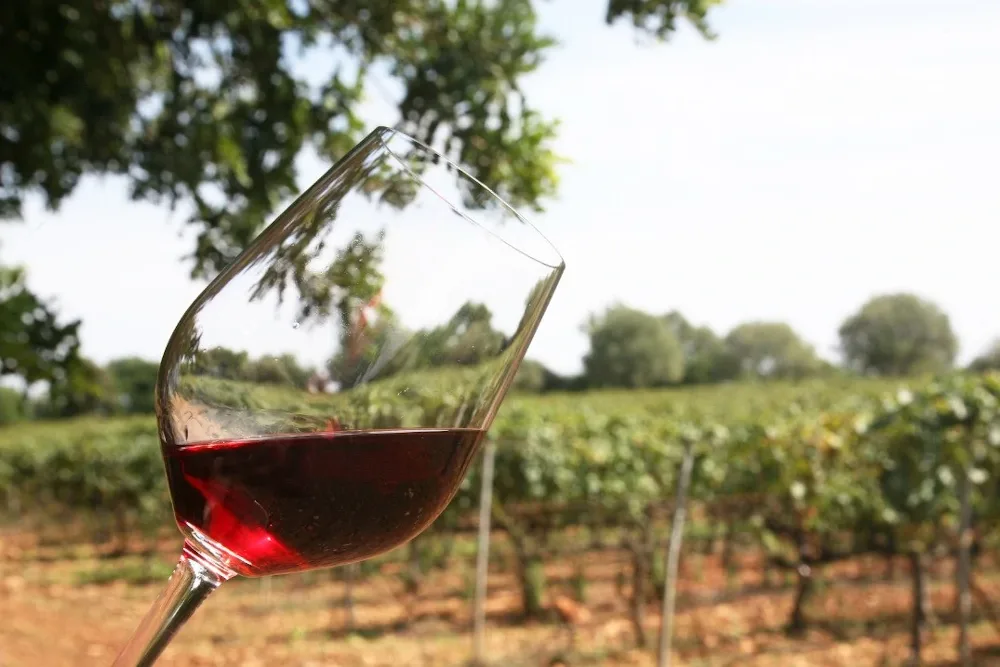
Photo: CAIB.
Overall, the marketing of quality wine from the Balearic Islands stood at 50,025 hectolitres in 2025, which represents a 4.6% decrease compared with 2024. This decline is partly explained by the lower output from the 2024 vintage, which affected product availability. Despite this, the sector maintained a strong sales performance and marketed nearly 94% of the wine produced, a higher ratio than in previous years.
This volume corresponds to wines protected by the protected designations of origin Binissalem and Pla i Llevant, as well as wines with the geographical indication Vi de la Terra Mallorca, Vi de la Terra Illa de Menorca, Vi de la Terra Eivissa, Vi de la Terra Formentera, Vi de la Terra Serra de Tramuntana and Vi de la Terra Illes Balears.
Economic value of quality wine from the Balearic Islands
Despite the reduction in volume marketed, the sector’s economic value remained virtually stable. In 2025, it reached 42.07 million euros, just 1.4% less than the previous year.
This trend is explained by the increase in the average price per litre, which rose from 8.2 euros in 2024 to 8.4 euros in 2025, reflecting a gradual increase in the value of Balearic wine.
Types and territorial distribution
By type of wine, red recorded a decrease of 8.7%, while white fell by 3.4%. By contrast, rosé rose by 2.4%, confirming its upward trend in recent years.
As for the territorial distribution, Mallorca accounts for nearly 90% of total sales, with around 45,000 hectolitres and an approximate drop of 5%. Menorca, by contrast, recorded an increase of 8.7%, to 1,804 hectolitres, thanks to the entry into production of new vineyards and the inclusion of varieties recently authorised.
In the case of Formentera, sales rose by 80.1%, to 272 hectolitres, due to the release onto the market of accumulated stock from previous vintages. In Eivissa, the slight decline in sales —by 12.3%, to 965 hectolitres— is linked to the lower production of the previous vintage, although the rise in exports stands out.
Decline in the designations of origin
As for the quality labels, the designations of origin recorded a sharper fall, of 11.7%, standing at 13,516 hectolitres.
-
DO Binissalem: 5,133 hl (-14%)
-
DO Pla i Llevant: 8,383 hl (-10.2%)
For their part, wines with a geographical indication showed greater stability, with 36,509 hectolitres marketed (-1.7%).
Particularly noteworthy are:
-
Vi de la Terra Mallorca, which accounts for the largest share of sales (30,293 hl)
-
Vi de la Terra Illa de Menorca, which grew by 8.7%
-
Vi de la Terra Formentera, with the highest increase, 80.1%
By contrast, Eivissa, Illes Balears and Serra de Tramuntana all recorded declines.






Leave A Comment