
The negative effects of the Iran war are already being felt in the Balearic Islands. The rise in production costs in the primary sector has intensified in recent weeks, with particularly sharp increases in fuel, animal feed and fertilisers, according to a technical report by the Ministry of Agriculture, Fisheries and Natural Environment.
The document records increases that, in some cases, have reached very high levels. Agricultural diesel has registered price rises of up to 45.8%, while fishing fuel has increased by around 60% over the last month and a half, directly affecting the profitability of farmers and fishermen.
Agriculture: diesel, feed and fertilisers on the rise
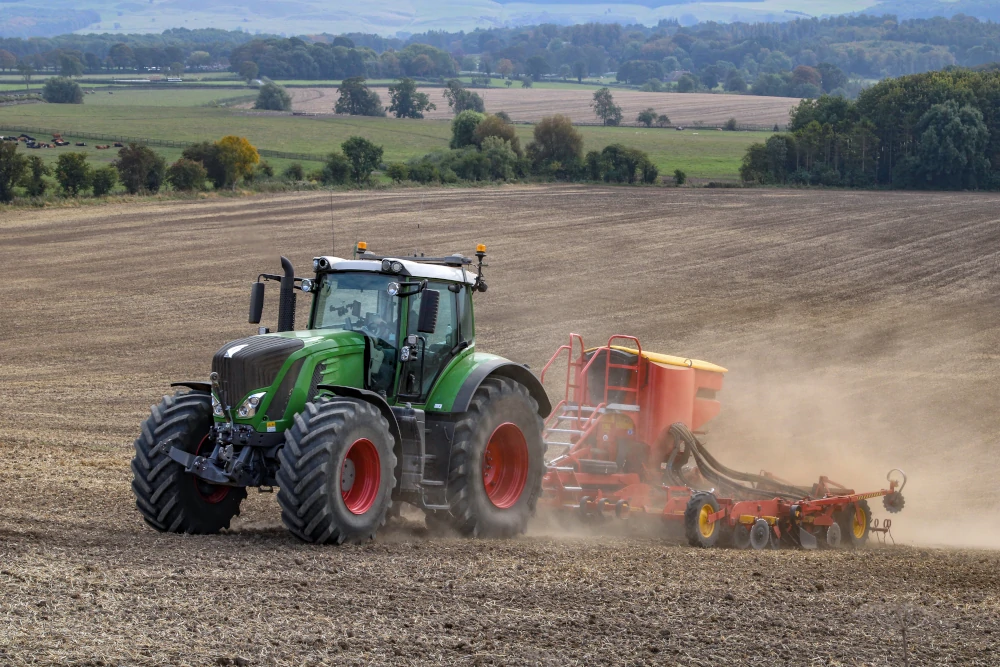
The price of agricultural diesel in the Balearic Islands has risen from 0.93 euros per litre at the beginning of January to a peak of €1.609/l on 16 March. Since the start of the international conflict at the end of February alone, the increase has been 24.7%. Added to this is a structural extra cost linked to insularity, which pushes the price up by around 21% compared with mainland Spain. In absolute terms, Balearic farmers pay around €0.28/l more than in professional supply channels on the mainland.
Animal feed also reflects a rise in costs driven by the higher price of raw materials such as soybean, which has increased by 11.3%, and maize, up by 4.1%. These increases are compounded by logistics costs, with transport surcharges of around 10% and new emergency supplements applied by shipping companies. As a result, the price of feed in the Balearic Islands has reached €418.5/t, compared with €358/t on the mainland, representing an extra cost of 16.9%. Since January, this gap has widened by €37.5/t.
In the field of fertilisers, the increases have been rapid and widespread since the end of February. Granular urea has risen by between 8.84% and 14.29% in just two weeks, while ammonium sulphate has increased by 14.29% and complex NPK fertilisers by around 9.38%. In addition, there remains a structural extra cost of 8.93% due to insularity, to which around €50 per tonne in logistics costs must be added.
Overall, fertilising one hectare in the Balearic Islands is currently around 9% more expensive than on mainland Spain and up to 21% more expensive than at the end of February.
The report also warns of possible supply problems, especially in the case of urea, with waiting times of between two and three weeks in some parts of the archipelago.
Fishing: fuel sends fleet costs soaring
The fishing sector is particularly vulnerable to the rise in fuel prices. Diesel accounts for more than 50% of fixed costs for trawlers, which land approximately two thirds of locally caught fish in the Balearic Islands. In this context, the price of fishing fuel has increased by around 60% over the last month and a half, dealing a direct blow to the economic viability of the sector.
This increase in costs also points to a rise in the final price of fish and seafood on the market, in a scenario marked by pressure across the entire production chain.








Leave A Comment