
The Casal Solleric in Palma is presenting from this Friday, 27 November the exhibition La jove plàstica i la renovació de les arts a Mallorca, 1969-1982. The exhibition will be open until 21 January and features works by some of the most influential artists on the Mallorcan art scene at the end of the 20th century.
Specifically, the exhibition brings together works by the following artists and collectives: Amador, Miquel Barceló, Katty Bonnín, Bartolomé Cabot, Ramon Canet, Maria Carbonero, Toni Catany, Pep Canyelles, Cacho Chacón, Criada Sevilla, Pedro Gelabert, Sara Gibert, Tomás Horrach, Enrique Irueste, Rafael Juan, Merche Laguens, Gerard Matas, Ángel Muerza, Neón de suro, Joan Palou, Josefina Pino, Carme Roig, Miquel Rosselló, Ángel Sanmartín, Horacio Sapere, Alfonso Sard, Antoni Socias, Taller Llunàtic, Andreu Terrades, Steva Terrades and Vicenç Torres.
Galeria Pelaires, the starting point
The exhibition covers the period between 1969 and 1982. Its starting point is the opening of Galeria Pelaires, a milestone that drove a profound shift in local artistic creation. This stage also coincided with the end of the dictatorship and the beginning of new freedoms. That climate encouraged the emergence of groundbreaking proposals and artists who would forever change the artistic landscape of Mallorca.
La jove plàstica thus offers an overview of one of the most vibrant moments in the island’s recent artistic history. The project brings together works that marked a turning point and help to understand the creative evolution of a generation that revolutionised the artistic language of its time.
La jove plàstica, a “historic and vindicatory” exhibition
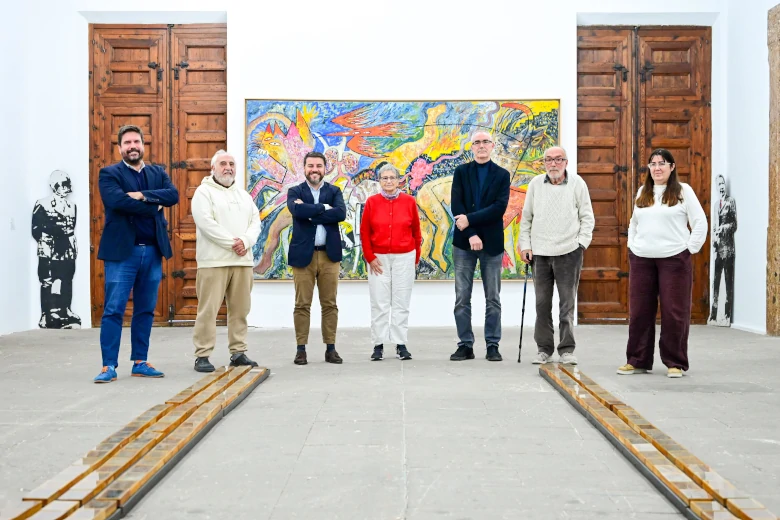
Photo: Palma City Council.
The First Deputy Mayor and Councillor for Culture, Javier Bonet, presented the project. Also taking part in the event were the General Coordinator for Culture and Tourism, Fernando Gómez de la Cuesta; the curator Jaume Reus; and the artists Katy Bonnin, Andreu Terrades and Vicenç Torres.
Bonet described the exhibition as “historic and vindicatory”. He explained that this is the first comprehensive review of a key period in contemporary artistic creation on the island. According to the councillor, the exhibition highlights a “unique and innovative” stage that transformed culture and art in Mallorca.



Leave A Comment