
The Serra de Tramuntana is entering a new phase in its management model. The Consell de Mallorca has presented the draft proposal for the future law governing the Serra de Tramuntana, a regulatory text aimed at strengthening the protection of the cultural landscape declared a World Heritage Site and providing the territory with a specific legal framework.
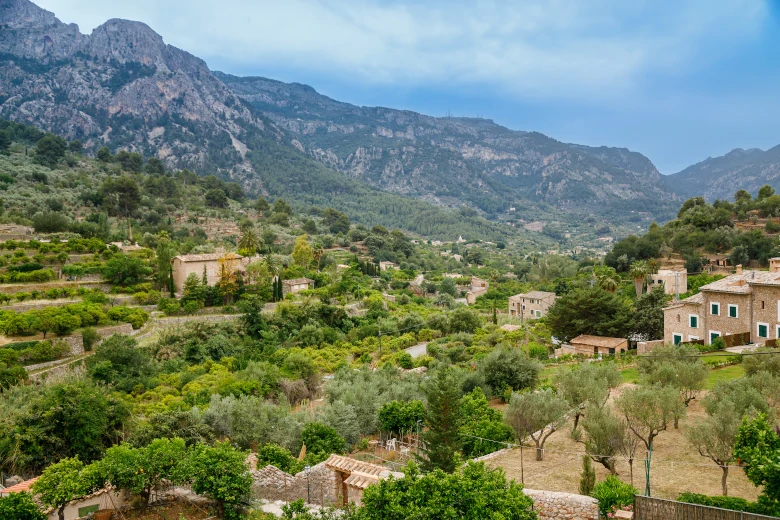
The regulation, structured into 8 titles, 13 chapters and 62 articles, seeks to organise the conservation, management and economic viability of the Serra. To this end, it introduces tools to address increasingly visible challenges such as human pressure, the abandonment of estates, wildfire risks and administrative complexity.
Among these factors, overcrowding in certain areas and during specific periods emerges as one of the central elements of the new legal framework.
Measures to address tourist saturation
The future law introduces, for the first time, regulatory mechanisms designed to intervene in situations of territorial saturation. The Consorci Serra de Tramuntana will be able to propose access restrictions or other temporary limitations when scenarios of overcrowding are detected that may jeopardise heritage values or disrupt territorial balance.
To underpin these decisions, the creation of a system of impact indicators is envisaged, aimed at assessing visitor pressure and establishing the carrying capacity of different areas.
The text also includes direct measures affecting the recreational use of the territory. These include the prohibition of recreational quad circulation on unpaved roads, as well as the possibility of limiting the number of annual activities in sensitive areas.
In addition, a regulatory framework for sporting activities such as mountaineering is established, based on criteria linked to conservation, safety and compatibility of uses.
Other key aspects of the law
Beyond the management of human pressure, the regulation articulates a broad set of measures aimed at the comprehensive protection of the Serra.
Extension of the protection area
The law expands the scope of action to include estates, settlements and areas historically linked to the Serra that had been excluded from the original UNESCO designation.
Heritage impact assessment
This new instrument is introduced to analyse actions that may affect the values defining the cultural landscape.
Single management authority
The Consorci Serra de Tramuntana is consolidated as the central institutional coordination body, with strengthened management capacity.
Administrative simplification
Procedures related to agricultural and conservation activities are streamlined, particularly those concerning dry-stone walls, the recovery of crops and traditional constructions.
Support for the primary sector
Agricultural activity is recognised as a key element in conserving the cultural landscape. The law promotes the recovery of abandoned farmland, extensive livestock farming — also considered a wildfire prevention tool — and the maintenance of traditional land uses.
Recognition of possessions
Their role as structural elements of the landscape is reinforced, allowing complementary activities compatible with conservation to ensure their economic viability.
Protection of cultural heritage
Specific catalogues and inventories are created, and the conservation of singular elements such as monumental olive and holm oak trees or terraced systems is strengthened.
Use of traditional techniques
The mandatory application of dry-stone construction techniques in conservation works is regulated.
Energy sustainability
The regulation incorporates mechanisms for emissions offset projects directly linked to landscape conservation.
Light and noise pollution
Interinstitutional coordination tools are introduced to address these impacts.
Sanctions regime
A graduated system of penalties is established, with fines that may reach one million euros in the most serious cases.
The public consultation and objections process open until April will allow contributions from administrations, stakeholders and citizens before the law’s final approval.






Leave A Comment