
The olive harvest in Mallorca, an ancestral tradition
Text: José E. Iglesias / Photos: P. Castillo
It is a sunny, hot day in the middle of November, in one of the Orient valleys whose access is as challenging as it is monumental, shaped by winding bends and the peaks that flank the narrow road. We are attending the olive harvest at Son Perot, an estate owned by the Martorell family, spanning one million eight hundred thousand square meters (around 250 cuarteradas – roughly 177 acres), with more than 3,000 olive trees, many of them millenary specimens distinguished by their striking forms.
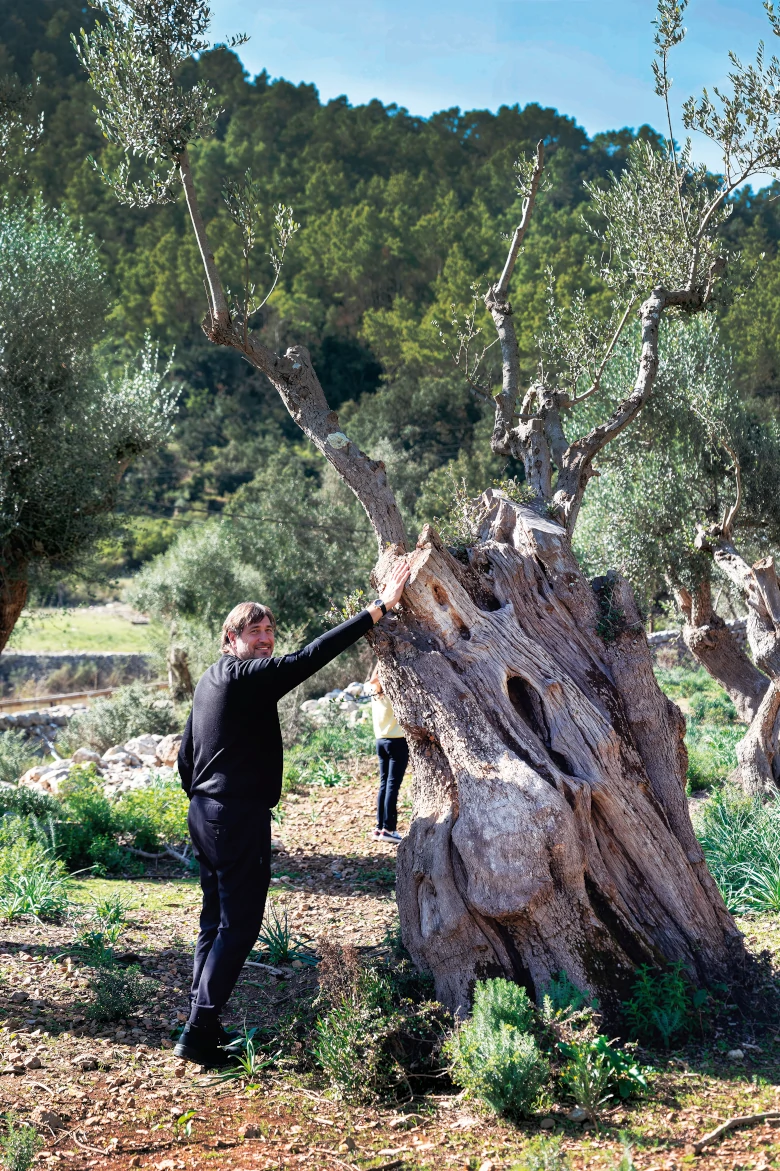
Rafa Molina, manager of Aceites Martorell, points to one of the millenary olive trees at Son Perot.
This year, there is a sense of joy in the air thanks to the excellent harvest. “There is a lot of olive, and they are full of oil”, says Rafa Molina with satisfaction, manager and husband of María de Lluch Martorell, a member of the family that owns Aceites Martorell and CEO of the company. They market that brand and also produce their crown jewel: the premium Son Perot olive oil, part of the Oli de Mallorca PDO, made from the olives grown in this valley.
For María de Lluch, the olive oil world runs in the family. “My father and grandfather were already handling and selling oil. They were tasters and made the coupage at the mill”.
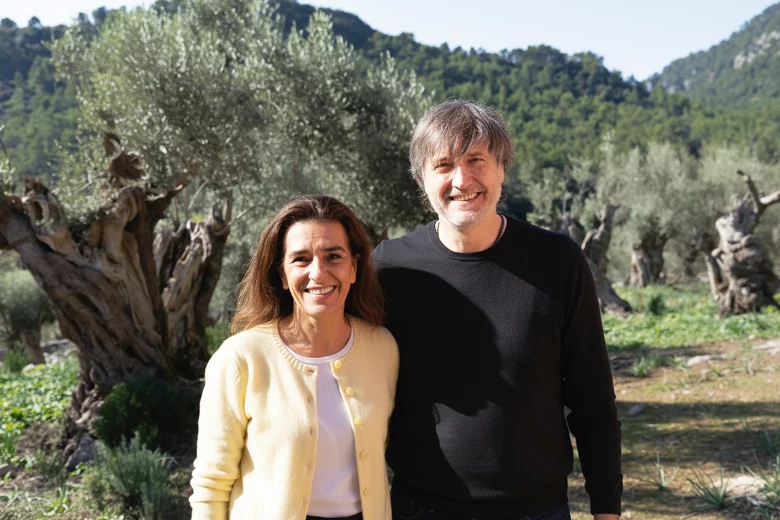
Maria de Lluch Martorell, owner of Son Perot, with her husband and manager, Rafa Molina.
The estate, an old possessió, has long worked the land, produced oil, raised livestock and fruit trees…
This year there is a feeling of joy due to the good harvest. “There are lots of olives and they are full of oil”
At the heart of the olive grove, about a hundred meters from the estate’s main house, a four-person crew works tirelessly, beating one tree after another with determination yet without damaging the branches. In thirty minutes they manage to strip the tree and fill the nets spread across the ground, now speckled in green, brown and black, the colors of olives at different stages of ripening. They work from dawn to dusk, making the most of the day to obtain the finest olive juice at the mill. What they harvest is taken the same day to Sóller for pressing. They expect to complete the harvest within a month.

The olive-picking team during the beating and collection work.
To bring the Son Perot oil to market, they blend three varieties: picual, arbequina and mallorquina. “We make a coupage of the three -Rafa explains- in proportions we define at home to create the oil we envision. Arbequina has more flavor, picual more strength, and mallorquina offers both strength and flavor. That’s why we blend them: to achieve good aromas, good taste, an oil that doesn’t scratch the throat. It’s more golden than others. What people like about ours is that it goes down smoothly and the aroma returns afterwards. When you pour it over a tomato, it enhances the tomato’s flavor; when you eat fish, it lifts the flavor of the fish.”
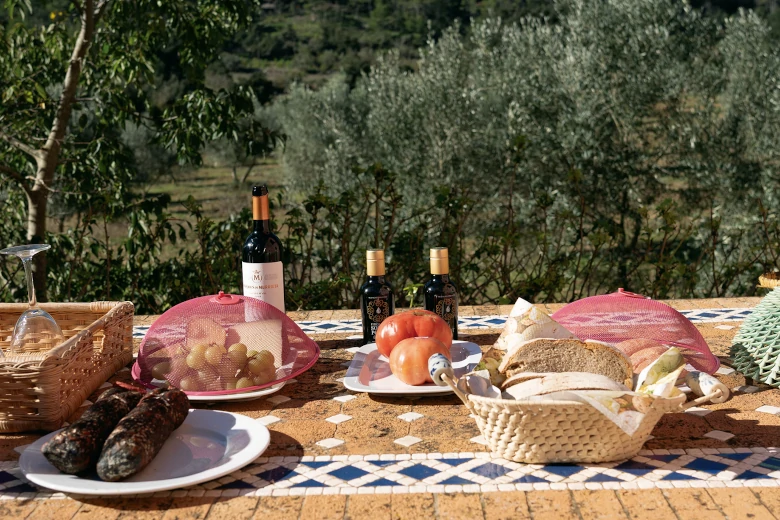
A frugal breakfast with homemade provisions to carry on until midday.
Son Perot produces around 15,000 kilos of olives per year, yielding about 3,000 liters of oil. “That is a huge amount for a premium brand. There’s about a 20% extraction yield. The olives here, from this valley, perform quite well. We have a microclimate. The oldest, millenary trees bear fruit irregularly -some years heavily, other years less so, almost at random. They are native mallorquina specimens; the younger ones are arbequina and picual”, the manager concludes.
Noel Iván Blabia, the estate’s pagès for the past four years, joins the group: “In this valley, olive trees practically grow everywhere.”
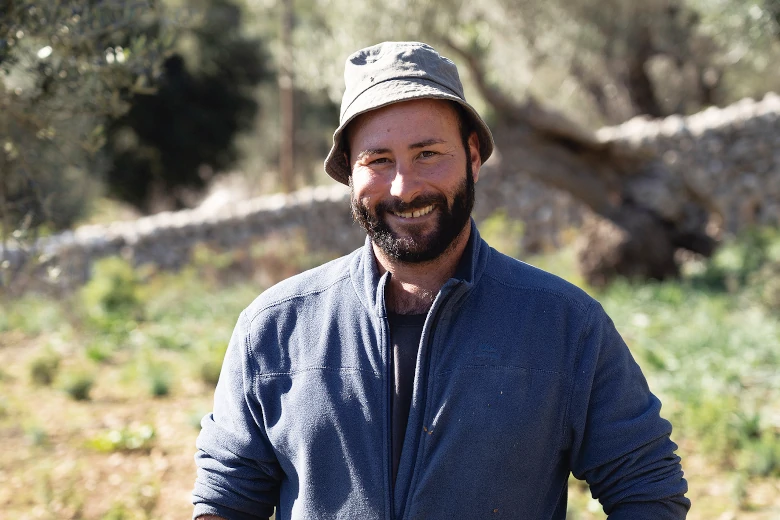
The estate’s expert pagès, Noel Iván Blabia.
As we approach the foot of the mountain, Noel guides us among thick trunks barely two meters tall, twisted whimsically upon themselves over the centuries, while he explains with delight the science of the olive tree. He tells us about his work restoring these veteran specimens. “El millor d’aquestes oliveres és que són molt agraïdes – the best thing about these olive trees is that they are very grateful”, he repeats with admiration, glancing at them out of the corner of his eye. “My life is this, the mountain. I don’t know how to be in the city, I don’t like it.” It is no surprise that the olive trees are grateful to him.
Image gallery
-
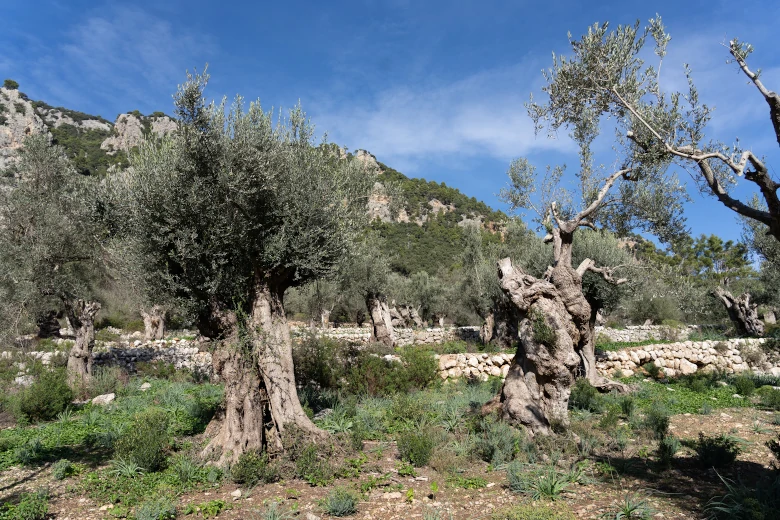
- Image of part of the olive grove with millenary specimens.
-
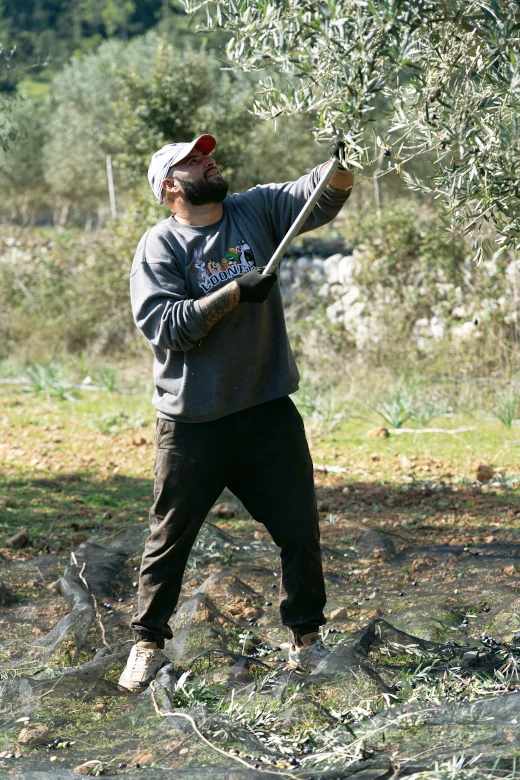
- One of the members of the harvesting team.
-
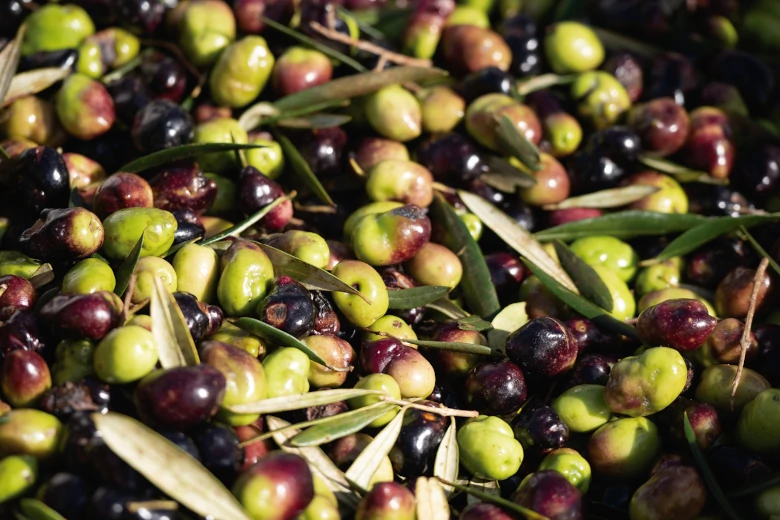
- A sample of the olives from Son Perot.






Leave A Comment