
SPECIAL CONTENT
Palma is experiencing an unprecedented period of momentum. The City Council is working on a set of strategic initiatives that will redefine the city over the coming years with one shared goal: to create a friendlier, greener Palma, more connected to its heritage and to the needs of its residents. From restoring emblematic spaces to creating new cultural facilities and green areas, the capital is reinventing itself to offer a more balanced and dynamic future.
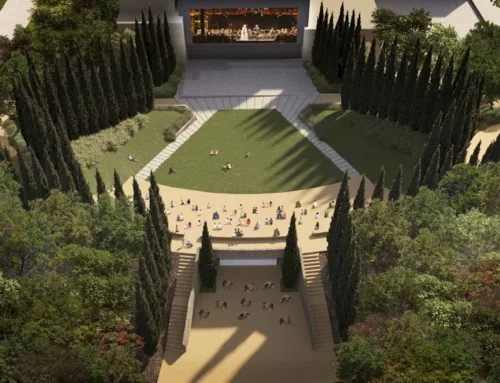
The redevelopment of Plaça Major is one of the most representative projects. Its reorganisation will restore the old galleries, open them up to natural light and create a new Centre d’Interpretació de la Ciutat. According to the mayor, Jaime Martínez Llabrés, the aim is for “the city’s history, culture and origins to be reflected” in this space.
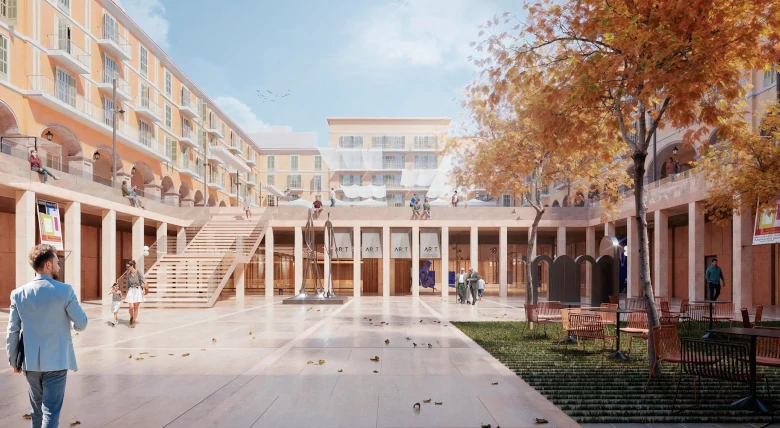
The renovated Plaça Major will have two levels and will open up the former galleries to natural light. Image: barcelóbalanzóarquitectes | scob.
At the same time, the Bosc Metropolità (Metropilitan Forest) will form a large green belt of more than 4 million m² around the city. The renovation of Bellver, Son Quint and the Velòdrom del Tirador, together with the future Jardí Botànic, will expand shaded areas and promote an active lifestyle.
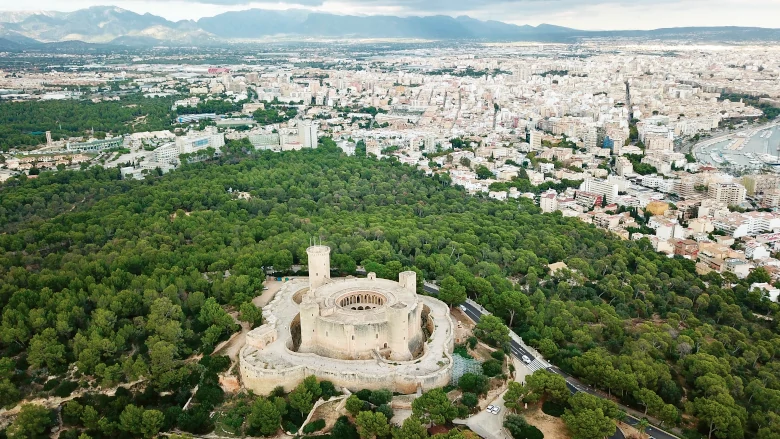
The future Metropolitan Forest will cover an area of four million square metres, stretching from Bellver to Establiments.
Another milestone will be the revival of the Gesa building, which will be transformed into an international centre for culture and innovation. It will house the new Institut Municipal de les Arts, exhibition halls, the central library, a media library, an auditorium and municipal services.
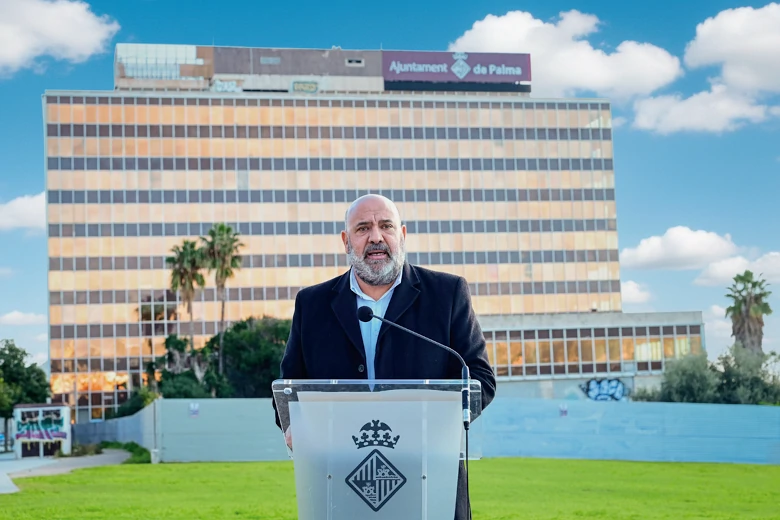
Palma’s mayor, Jaime Martínez Llabrés, in front of the Gesa building. Photo: Ajuntament de Palma.
Urban modernisation also includes the redevelopment of the Son Ferriol fairgrounds, with capacity for 8,000 people, designed to host large events and strengthen the city’s economic competitiveness. In the mayor’s words, “the aim is to position Palma as a benchmark in MICE tourism”.
These initiatives are joined by new neighbourhood facilities such as the Metropolitan of Pere Garau, which will bring together health, cultural and social services in a single building, and the future Génova community centre, which will include a library, multipurpose rooms and outdoor spaces.
With all these projects, Palma is moving towards a new urban model that strengthens residents’ quality of life.




Leave A Comment