
Docomomo Ibérico promotes debate around the 49 Modern Movement buildings on the island
Mallorca preserves an architectural legacy that, despite its relatively recent origin and everyday appearance, often goes unnoticed. It comprises dozens of buildings that trace the footprint of the Modern Movement on the island: a fragile yet decisive heritage that the Docomomo Ibérico Foundation —whose representative body in Mallorca is the COAIB— has been documenting, studying and protecting since its creation in 1993.
“Our task is to identify what deserves protection, explain why, debate how to intervene in these buildings and how to adapt them to the needs of contemporary society without losing their essential values,” says Jaime Revuelta, board member of the College of Architects and representative of the Docomomo Ibérico Board of Trustees in the Balearic Islands.
“The new modern buildings that began to be constructed from 1925 onwards not only addressed new programmes and forms, but did so through experimentation with new materials and technologies that had scarcely been tested until then,” explains Revuelta, who regrets that “because it is an abundant and very recent heritage, it is undervalued by both society and public administrations.”
-
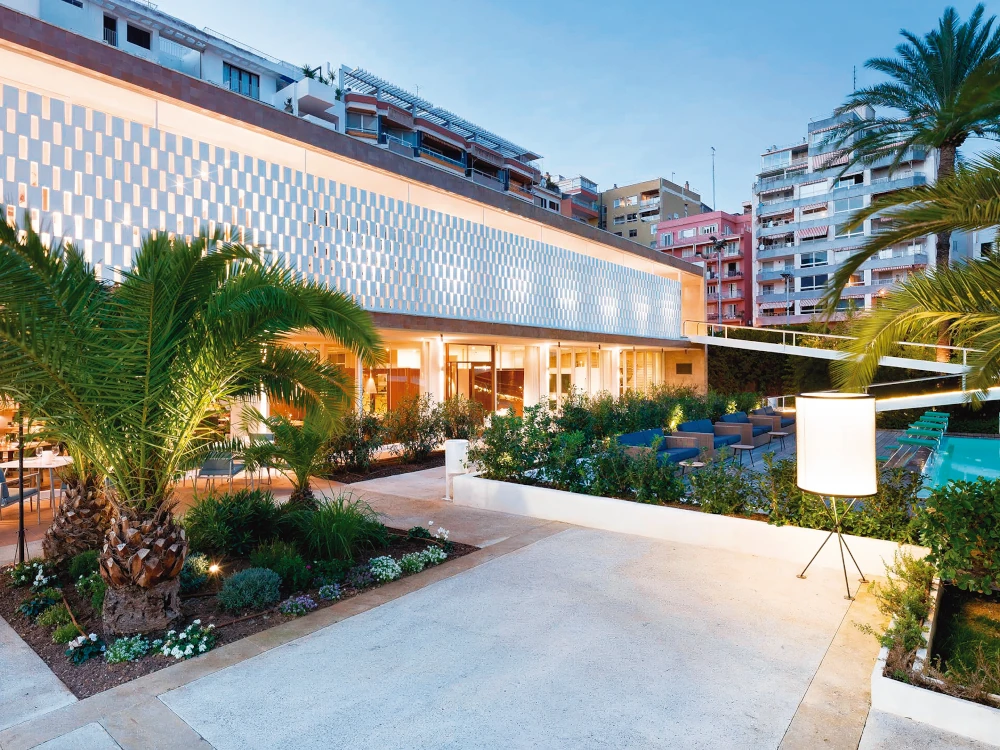
- Mallorca Tenis Club. Francesc Mitjans Miró. 1960-62. Palma. Foto: Gori Salvà/Docomomo.
-
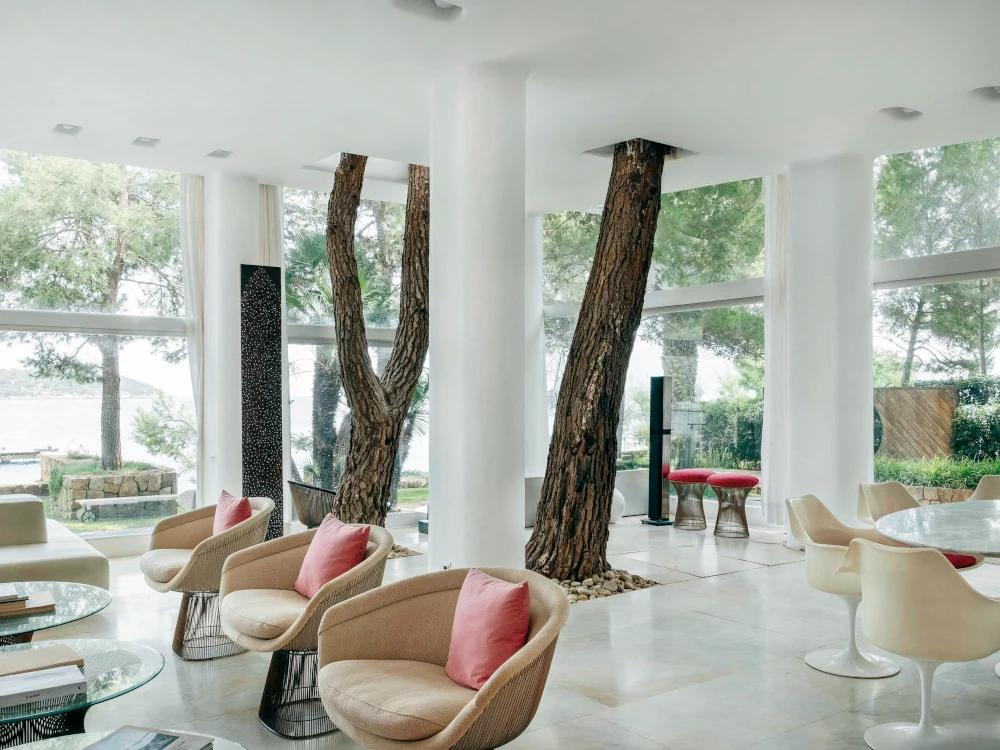
- Casa Huarte. Francisco Javier Sáenz de Oíza. 1968. Pollença. Foto: Jaume Rebassa Rosselló/Docomomo.
-
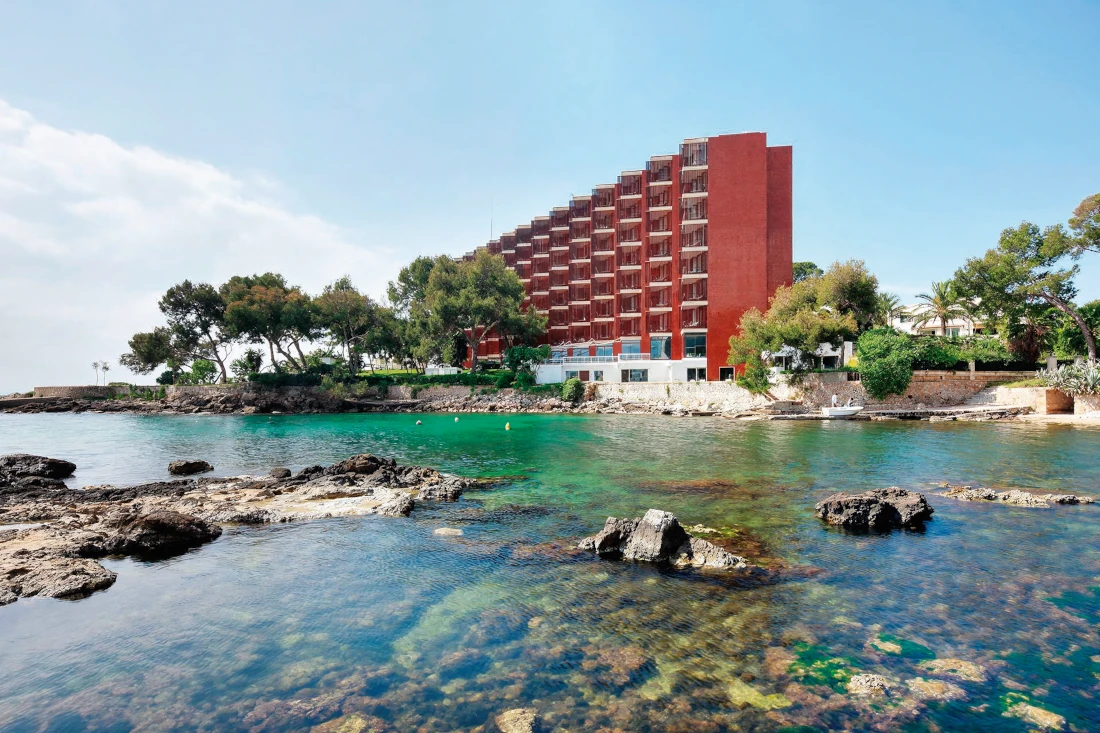
- Hotel de Mar. J. Antonio Coderch de Sentmenat, Manuel Valls Vergés. 1962. Calvià. Foto: José Hevia/Docomomo.
-
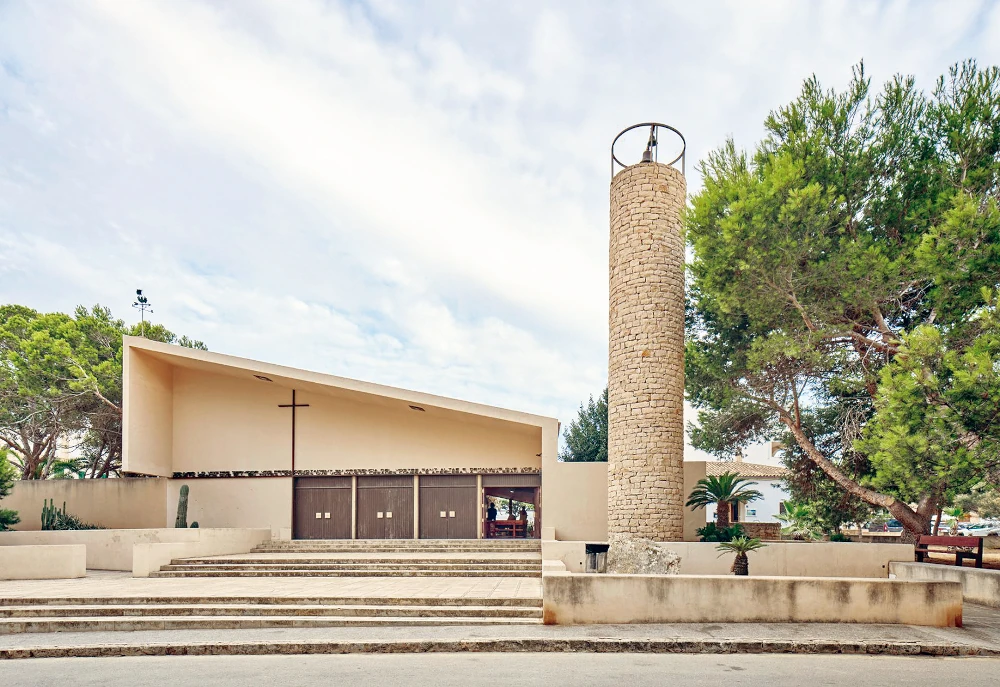
- Parròquia de Sant Jordi. Antoni Alomar. 1969 – -. Colònia de Sant Jordi. Foto: José Hevia/Docomomo.
Mallorcan modernity
Between 1925 and 1950, most architects trained in Barcelona introduced a sober and luminous Mediterranean rationalism to the island. “Its influence is clear: Mallorcan rationalism was born with a very pronounced Barcelona stamp,” notes Revuelta. With the arrival of the tourism boom from the 1950s onwards, and the influx of professionals from Catalonia and Madrid, this architectural language adopted forms that were more open to the landscape and to function.
Among the 49 buildings catalogued by the Foundation in Mallorca are masterpieces such as Sert’s Taller Miró, Ciudad Blanca by Sáenz de Oíza, the Hotel de Mar by Coderch and Valls, Can Lis by Jørn Utzon, the Casa Cela by J. Antonio Corrales Gutiérrez and Ramón Vázquez Molezún, or the Mallorca Tennis Club by Mitjans. The latter, together with the Taller Miró and the Fénix building on the seafront, already bears the Docomomo Plaque, a distinction reserved for the most significant works of the Modern Movement.
The list, which also includes such well-known buildings as the Gesa building, the Alcúdia thermal power plant, the Rívoli cinema or the Real Club Náutico de Palma, will continue to grow. Three new additions have recently been approved: the Spanish Institute of Oceanography in Palma, by Vicente Roig; three terraced houses in Port d’Andratx, by Coderch; and the church of Cala Blava, designed by Bartolomé Vaquer.
“With each new building, we broaden our understanding of Mallorcan modernity and reinforce the need to protect it,” Revuelta concludes.
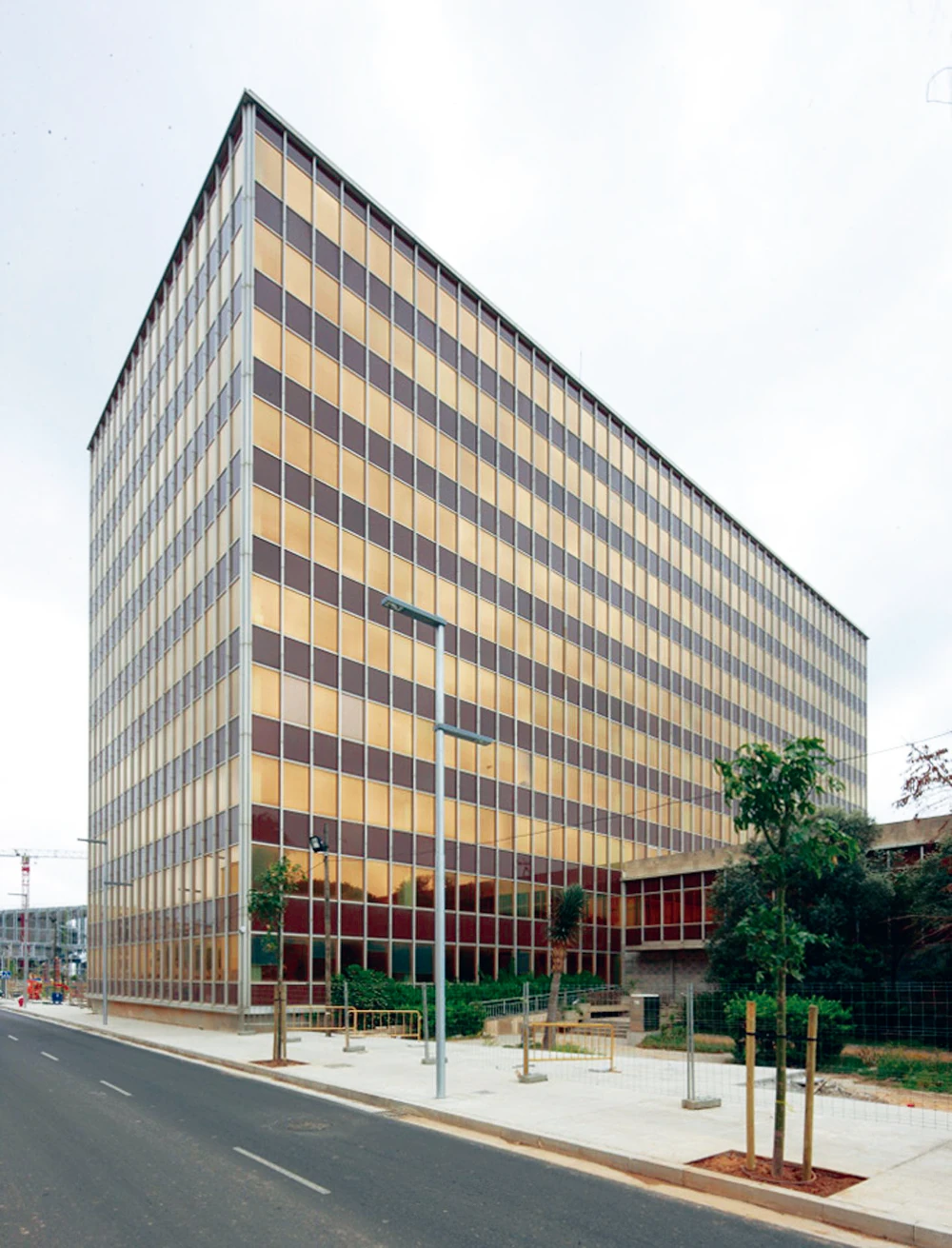
Gesa Building. José Falcó, Josep Ferragut Pou. 1963–1975. Palma. Photo: José Hevia/Docomomo.




Leave A Comment