
The Sa Dragonera Natural Park has been the stage of a historic milestone for Balearic biodiversity: the birth of two osprey chicks (Pandion haliaetus) after seven decades without breeding records on the island.
The Minister of Agriculture, Fisheries and Natural Environment, Joan Simonet, celebrated this success as “a demonstration of the good work being carried out in the conservation and recovery of this emblematic species in the Balearic Islands.”
A long-awaited return
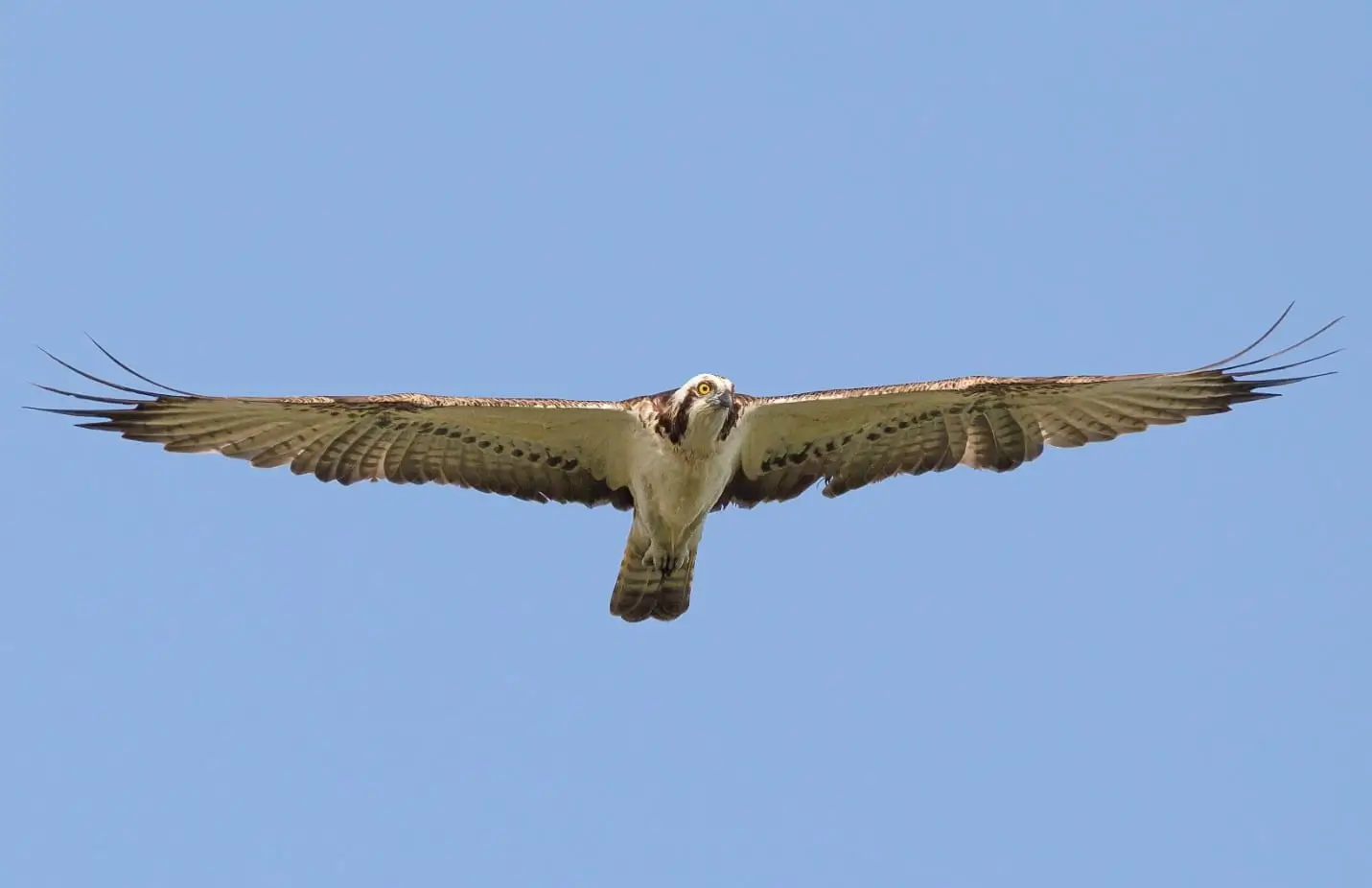
In 2024, the occupation of a nest in Sa Dragonera had already been confirmed, although without breeding success. This year, however, the process culminated in the hatching of two chicks, an event that had not occurred since the late 1950s.
The news is especially significant because the osprey is a species classified as “Vulnerable”, highly sensitive to human presence and factors such as boat noise or food availability.
Monitoring and protection in the Serra de Tramuntana
Environmental agents and the park’s ranger service maintain intensive monitoring of the nesting area, located in the western sector of the Serra de Tramuntana, to prevent disturbance to breeding pairs. Monitoring is carried out in coordination with the Species Protection Service of the Balearic Government.
The Second Vice President of the Consell de Mallorca, Pedro Bestard, thanked the work of all the organizations involved in the recovery of threatened species and stressed that “with commitment, the conservation of vulnerable species is possible.”
Species data in the Balearic Islands
According to the conservation plan, in 2024 Mallorca recorded 12 territorial pairs, of which nine laid eggs and six successfully raised a total of nine chicks. Across the Balearic Islands, the figure rose to 21 pairs and 24 fledglings.
Although the population is considered stable, concern remains about the species’ evolution on the coast of the Serra de Tramuntana and in Ponent, where breeding data are lower.
A symbol of Balearic biodiversity
The osprey is a medium-sized bird of prey specialized in fishing, which usually nests on coastal cliffs, rocks, or pine trees. Their nests, reused over the years, can reach large dimensions.
Sa Dragonera, declared a Special Protection Area for Birds (SPA), provides an ideal habitat for this species and also hosts other emblematic birds such as Eleonora’s falcon and the Balearic shearwater.
With the support of conservation plans such as the Pla Terrasse, this success in Sa Dragonera represents a renewed hope for the future of the osprey in the Balearic Islands.





Leave A Comment